The Corvus Freebird is Black Crows’ freeride‑touring hammer: a touring‑first ski with remarkably strong downhill chops. At 107 mm underfoot with a directional shape, subtle tip rocker, classic camber, and a supportive tail, it targets advanced–expert skiers who value stability, edge hold, and composure in real backcountry snow.
On‑snow performance
Uphill
- Around ~1.9 kg per ski (183) isn’t ultralight, but the ski feels balanced on the skin track and holds a line well on firm traverses.
- The lightly raised tail plays nicely with skin clips and remains manageable in kick turns.
Downhill
- Powder: 107 mm and early tip rise float well, especially with some speed. It’s more directional charger than surfy slasher.
- Chop and variable snow: impressive damping and stability for a touring ski. The 21 m sidecut favors calm, longer arcs and stays predictable as the snow gets rough.
- Firm/steep: strong edge hold underfoot from camber and sidewalls. Not a zipper‑line short‑turn specialist, but smooth and confidence‑inspiring in medium to long turns.
- Tight terrain: the progressive tail will release and pivot, yet the ski still rewards a forward, committed stance.
Construction & design
Poplar core with fiberglass and carbon laminates, ABS sidewalls in a semi‑cap build, plus a Titanal plate underfoot for secure mounting (ideal for hybrid tech/alpine bindings). Directional shape with early tip rise, camber underfoot, and a raised, skin‑friendly tail.
Who is it for?
- Rider profile: advanced to expert, directional style, wants a stable, damp, confidence‑inspiring platform for real mountains and mixed snow.
- Less ideal for: ultralight missions or riders seeking a very loose, playful powder feel.
Length and binding advice
- Lengths: 176 cm for lighter skiers/tighter terrain; 183 cm for most; 188 cm for taller, faster, or very aggressive skiers.
- Bindings: hybrid or stout tech bindings such as Salomon/Atomic Shift, Marker Kingpin, ATK Raider FR; the Titanal plate enhances screw retention. (Not telemark‑compatible per manufacturer.)
Comparisons
- Blizzard Zero G 105: lighter on the climb and more demanding on the descent; less damping in chop. Corvus FB is heavier but calmer and more composed at speed.
- DPS Pagoda Tour 106 C2: lighter and friendlier; doesn’t match the Corvus FB’s high‑speed stability in rough snow.
- Atomic Backland 107: looser and more maneuverable; Corvus FB offers better edge hold and composure when pushed.
- Black Crows Navis Freebird (102 mm): more all‑round and lighter for big days; Corvus FB is the pick when downhill power matters most.
Specs explained
- Rocker profile: early‑rise tip + camber + raised tail – blends float with edge hold and a supportive finish to the turn.
- Dimensions (183 cm): 140‑107‑119 mm – generous tip for flotation, 107 mm waist for stability and versatility, slightly narrower tail for control and easy release.
- Radius: 21 m – geared toward medium‑to‑long turns; confidence at speed.
- Weight: about 1875–1925 g per ski (183) – a deliberate trade for more damping and stability on the way down. Weight varies by length/year.
- Lengths: 176 / 183 / 188 cm – size up for stability and float; size down for tight terrain or slower speeds.
- Mounting: Titanal binding plate – improves screw retention and pairing with hybrid bindings.
Key takeaways
- Directional charger: stability, edge grip, and composure in real backcountry snow.
- Touring‑first but not ultralight: added grams buy confidence on the descent.
- Rewards an assertive stance; still pivot‑friendly thanks to the progressive tail.
Frequently asked questions
Q: Is the Corvus Freebird a one‑ski touring quiver?
A: For advanced riders who prioritize downhill performance, yes. If you want to minimize weight for massive vert or prefer a looser, surfier feel, consider a lighter ~100–106 mm option (e.g., Navis Freebird or DPS PT 106).
Q: What bindings pair best?
A: Hybrid systems (Shift, Kingpin) leverage the Titanal plate and suit the ski’s downhill intent. For lighter setups, ATK Raider/Salomon MTN work well—match release values and brakes to your weight and terrain.
Q: How does it handle hardpack and ice?
A: Excellent edge hold for a 107 mm touring ski thanks to camber and sidewalls. It won’t feel like a race carver, but it’s trustworthy on steep, firm snow.
Q: What length should I choose?
A: Most skiers will be happy on 183 cm. Go 176 for tighter terrain/lighter riders; 188 if you’re tall, heavy, or ski fast and aggressively.
The neighbourhood
its nearest skis on the map, by character — not by brandQuestions & opinions
User reviews
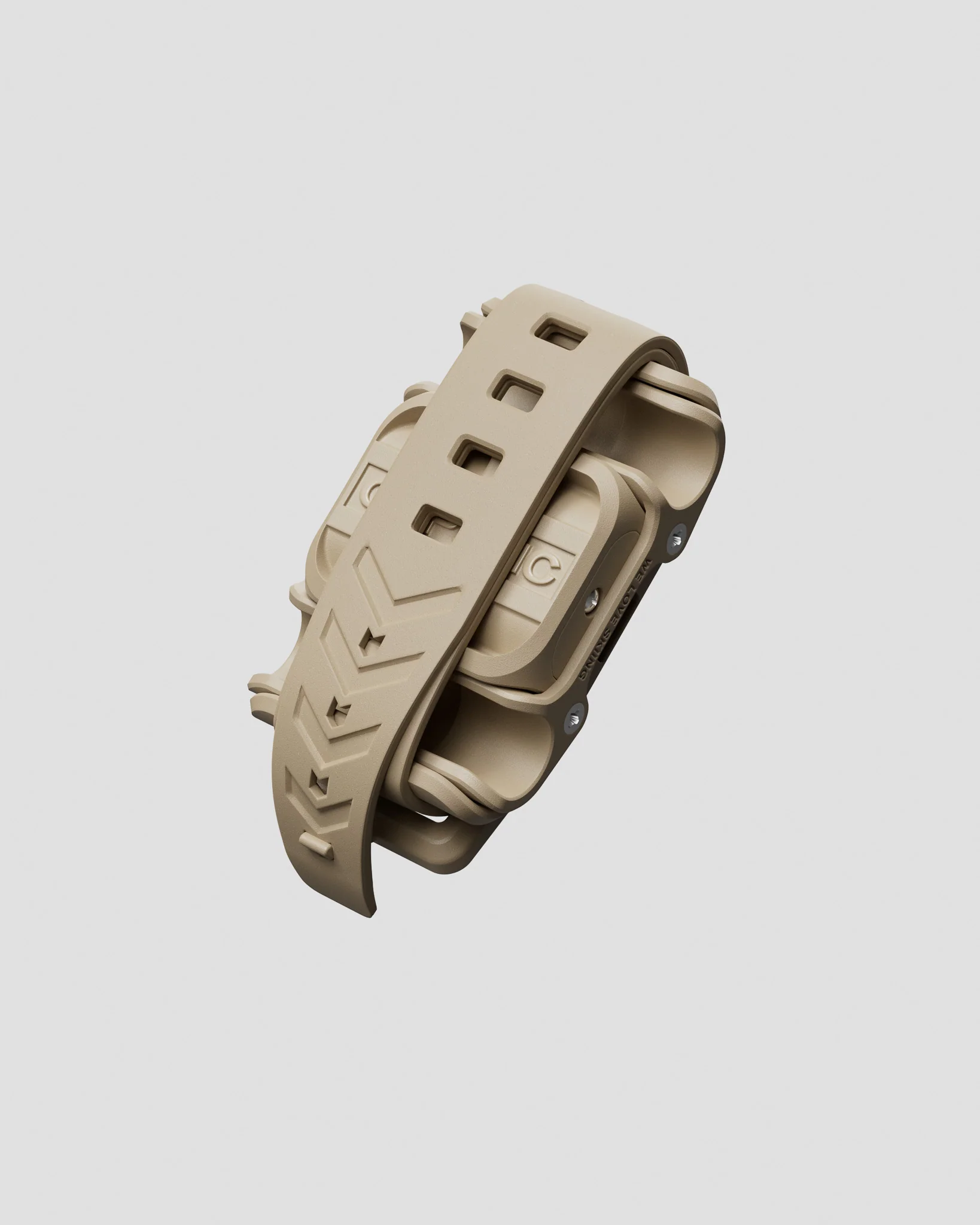
Missing a hand while carrying ski gear?
A friend of mine created Clipstic, the easy way to attach your poles to your skis! Using this link you get 10% off as well as support for Pick-a-ski!
Check it out!Not sure the Corvus freebird is your ski?
Answer a few quick questions and the ski selector matches you with the right skis from 800+ models — free, no sign-up.