Shift 10 review
In-depth review of the Atomic Shift 10: an MNC hybrid pin-to-alpine binding with 4–10 DIN, ~880 g weight, 90–120 mm brakes, confident downhill feel. Tips inside.
Chassis
hybrid · alpine touringOverview
The Atomic Shift 10 is a true two‑mode binding: tech pins for efficient climbs, then a TÜV‑certified alpine toe and heel for the descent. For intermediate to advanced skiers who want one setup for resort freeride and human‑powered laps, it delivers rare downhill confidence without giving up real touring capability.
Who is it for?
- Skiers with a DIN requirement up to 10 (lighter to medium riders, all‑mountain/freeride tourers).
- One‑ski quiver fans who split time between resort and backcountry.
- Riders who prefer alpine‑like release/elasticity over the lightest possible uphill weight.
On‑snow performance
- Uphill: Pin toe and climbing aids make for efficient skinning. At roughly 880 g per binding, it’s heavier than pure tech but far nicer to tour on than frame systems.
- Transitions: The Hike & Ride mechanism is intuitive; clearing ice/snow and a deliberate sequence are key. Familiarity makes it fast.
- Downhill: Feels like a real alpine binding. The wide platform and generous elasticity boost stability and curb pre‑release in chop, crud, and firm conditions.
Specs explained
- Type of binding: Hybrid — pin for the ascent, alpine toe/heel for powerful, predictable descents.
- DIN / release value: 4–10 — ideal for lighter/medium skiers; heavier or very aggressive riders should look at the Shift 13.
- Elastic travel: Not specified (Atomic states ‘ultimate elastic travel’) — increased travel aids shock absorption and retention over rough snow.
- Brake width: 90/100/110/120 mm — choose ~0–15 mm wider than your ski waist for effective stopping.
- Weight: ≈880 g per binding (with brakes) — tour‑capable while retaining resort‑worthy confidence.
- Compatibility: MNC (ISO 5355, ISO 9523, GripWalk, WTR) — works with normed alpine and touring boots; always check your exact boot model and adjust toe height.
- Materials: Carbon‑infused PA with steel/aluminum hardware — a solid balance of weight, stiffness, and durability.
Setup, adjustment, and use
- Set toe height correctly for your sole norm; automatic wing adaptation helps maintain consistent hold.
- Forward pressure and length adjustment (~30 mm) accommodate multiple boots or growth.
- Lock brakes for walk mode; Shift Crampon 100/120 mm is available for icy traverses.
Comparisons
- Salomon Shift 10: mechanically the same (sister brand); choose by price/graphics.
- Marker Duke PT 12: heavier and more complex but exceptionally stout downhill; less pleasant for long tours.
- Marker Kingpin 10 / Fritschi Tecton 12: lighter and simpler transitions, but not fully alpine‑certified in release behavior/elasticity.
Pros and cons
- Pros
- True alpine downhill confidence with real touring capability.
- Broad MNC boot compatibility.
- Wide, stable power transfer and excellent elasticity.
- Cons
- Heavier than minimalist tech bindings for long days/far tours.
- Mechanism requires attention in ice/snow; transitions aren’t entirely hands‑free.
- DIN tops at 10, limiting very heavy or ultra‑aggressive skiers.
Key takeaways
- One‑binding quiver: credible resort + backcountry in a single package.
- Best for intermediates to advanced skiers who need DIN ≤10.
- Choose Shift 13 if you’re heavier, ski very hard, or require DIN >10.
Frequently asked questions
Q: Is my boot compatible with the Atomic Shift 10?
A: It’s MNC, so it accepts ISO 5355 (alpine), GripWalk, and ISO 9523 (touring with tech inserts). Always verify your specific boot model is normed and set toe height correctly.
Q: What brake width should I pick?
A: As a rule, choose a brake ~0–15 mm wider than your ski’s waist. For a 102 mm waist, the 110 mm brake is usually ideal.
Q: Shift 10 vs Shift 13?
A: If you’re heavier, ski aggressively, or need DIN above 10, get the Shift 13. For most all‑mountain/freeride tourers, the 10 is sufficient and lighter.
Q: Can I use it as my daily resort binding?
A: Yes. Downhill performance feels alpine and is durable for daily laps. For very long/fast tours, a lighter tech binding remains more efficient.
Questions & opinions
User reviews
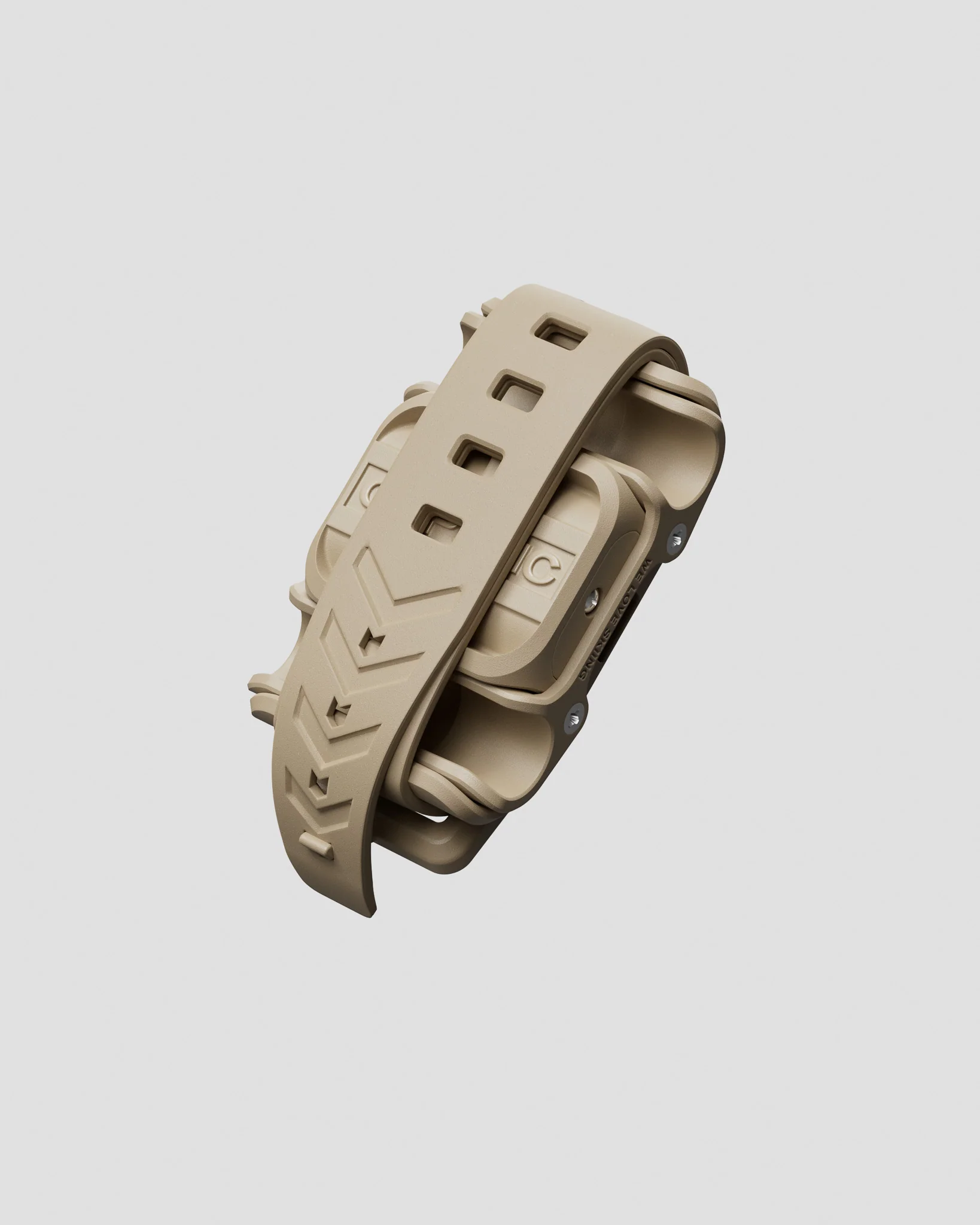
Missing a hand while carrying ski gear?
A friend of mine created Clipstic, the easy way to attach your poles to your skis! Using this link you get 10% off as well as support for Pick-a-ski!
Check it out!