Redster g7 review
Objective review of the Redster G7: target skier, on‑piste carve performance, stability, limits, sizing tips, and clear spec notes on waist, camber, and radius.
Who It’s For and First Impressions
Built as a frontside, GS‑leaning carver, the Redster G7 rewards a centered, athletic stance with instant edge engagement and a very connected snow feel. It’s aimed at confident intermediates advancing toward expert technique, masters racers, and skiers who live for long, clean arcs on groomers. Out of the gate it feels precise, damp, and stable, with a purposeful stiffness that invites speed. It prefers being driven on edge rather than skidded, but it’s not punishing; there’s enough compliance in the wood core to keep chatter low and transitions smooth.
Carving Performance and Edge Feel
On‑piste carving is the headline act. Full camber runs tip to tail, so the effective edge locks in as soon as you roll the ski over. The 70 mm waist lets you move edge‑to‑edge quickly, while the TI laminate and torsional strength hold the line when you pressure the shovel. The sidecut wants medium to long arcs; stand on it and the ski bends progressively with a clear rebound that accelerates you across the fall line. It favors clean, carved turns over pivoting or scraping in tight spaces.
Stability, Grip, and High‑Speed Composure
High‑speed composure is a standout. The platform stays calm on firm morning corduroy and maintains bite when patches turn scraped and shiny. Weight is moderate for the category, contributing to a planted, low‑vibration ride rather than a lively, bouncy feel. The edge grip is confidence‑inspiring on hard snow, helped by the strong sidewalls used in recent editions. It is less forgiving of backseat pressure; if you get lazy, the tail will remind you to finish your turns. Keep it centered and it rewards with race‑adjacent stability.
Versatility and Potential Drawbacks
Versatility is good for a pure piste tool, but there are limits. In short, rapid slalom‑sized turns it can be muscled, yet it feels happiest stretching its legs into GS radii. In bumps or late‑day push piles, the damping helps, though the narrower waist and firm flex telegraph terrain more than an all‑mountain carver around 74–76 mm. It will not float off‑piste, and skiers who prefer a playful, smeary style should look elsewhere. If that resonates, consider alternatives like Supershape e‑Speed, RC4 The Curv DTI, or S/Race Rush GS.
Sizing, Specs, and Setup Advice
Key specs explain the ride. A 70 mm waist prioritizes fast edge changes and firm‑snow penetration. Full camber (0/100/0) maximizes effective edge for crisp initiation and continuous contact on hardpack. Sidecut scales by length, with radii roughly 14.4 m (161), 15.2 m (168), 16.2 m (175), and 17.3 m (182), encouraging progressively longer arcs as you size up. Choose 168–175 for most frontside skiers; go 182 if you’re heavier or want more top‑speed stability. Weight around 2740 g per ski adds damping. Many packages include system bindings; mount at the line.
The neighbourhood
its nearest skis on the map, by character — not by brandQuestions & opinions
User reviews
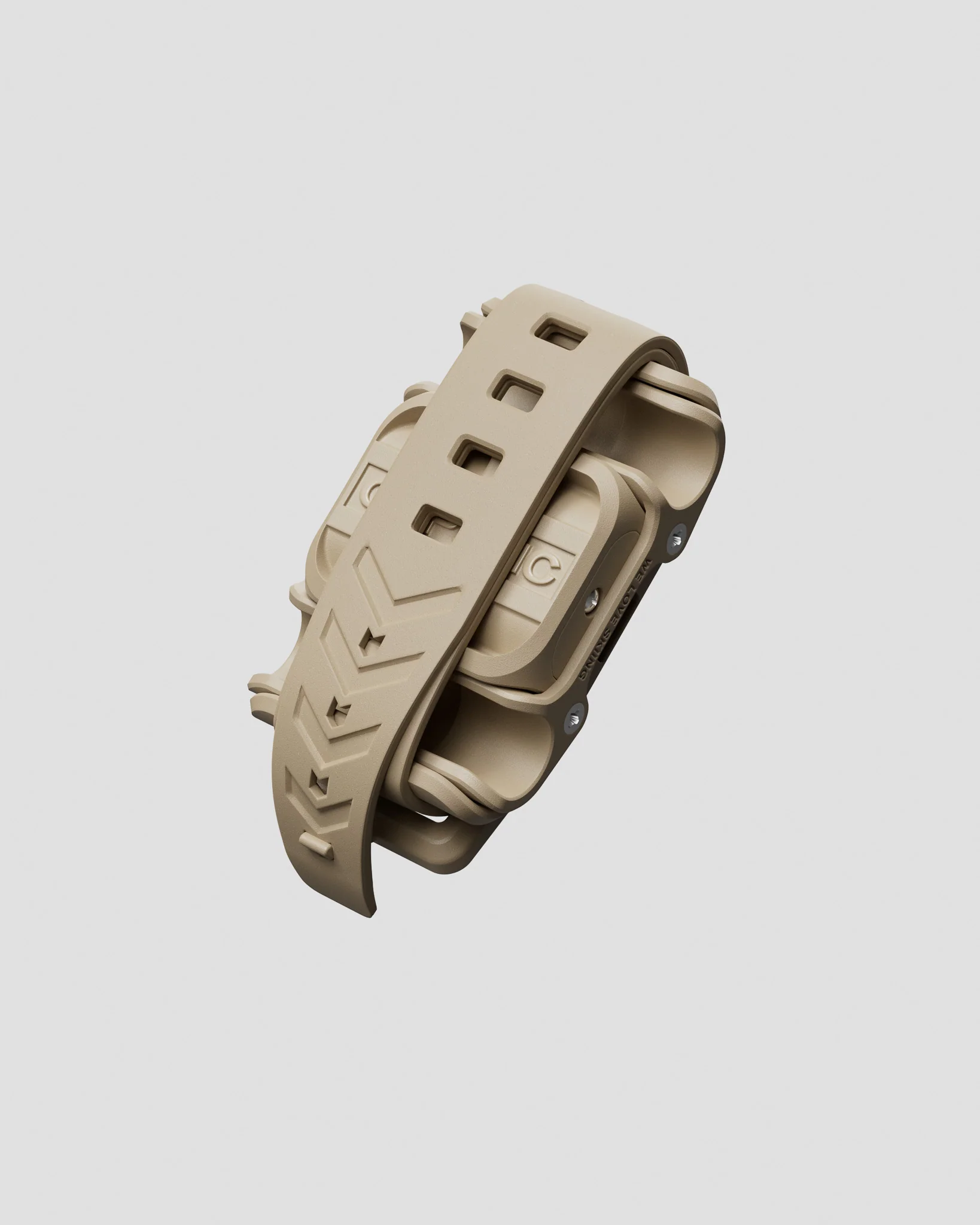
Missing a hand while carrying ski gear?
A friend of mine created Clipstic, the easy way to attach your poles to your skis! Using this link you get 10% off as well as support for Pick-a-ski!
Check it out!Not sure the Redster g7 is your ski?
Answer a few quick questions and the ski selector matches you with the right skis from 800+ models — free, no sign-up.