Backland tour review
In-depth review of the Atomic Backland Tour tech binding: ~395 g, 80–120 mm brakes, spring-based release, three climbing aids, real-world pros, cons, and use cases.
Chassis
tech · alpine touringOverview
The Atomic Backland Tour is a lightweight tech/alpine‑touring pin binding with touring brakes. It prioritizes uphill efficiency and trustworthy downhill performance without the added weight and complexity of hybrid or DIN‑certified alpine bindings. It is not DIN‑certified; the heel uses discrete spring/release options (low/medium/high) rather than a continuous DIN scale.
Who is it for?
- Tourers who want a reliable, straightforward pin binding with brakes and three climbing aids.
- Backcountry skiers seeking a balanced weight‑to‑function ratio and simple operation.
- Not ideal for heavy resort abuse, skiers needing very high release values, or those wanting maximum binding elasticity.
Specs explained (what they mean on snow)
- Type of binding: Tech / Alpine Touring. Pin interface saves weight and delivers direct power for touring efficiency.
- DIN / release: Not DIN‑certified; discrete heel springs (low/med/high). Choose a spring that matches your mass/ability and have a shop function‑test it.
- Elastic travel: No stated elastic travel; traditional tech toe/heel with limited elasticity. Setup and spring choice matter more for retention in variable snow.
- Brake widths: 80 / 90 / 100 / 110 / 120 mm. Aim for ~5–15 mm wider than ski waist for best fit.
- Weight: ~394–395 g per binding with 90 mm brake (≈790–800 g/pair). A sensible mid‑weight for a braked tech binding.
- Adjustment: 30 mm boot‑length range. Handy for swapping boots or resale.
- Mounting platform: 40 mm wide. Aids power transfer, especially on wider skis.
- Climbing aids: 0° / 7° / 13°. Quick changes reduce calf fatigue on long ascents.
- Hike‑and‑Ride switch + step‑in aid. Faster mode changes and easier toe engagement in cold or wind.
- Compatibility: ISO 9523 tech‑insert boots; standard touring crampons supported.
- Materials: Aluminum + fiberglass‑reinforced polyamide (PA). Light yet durable for daily touring.
Uphill performance
Low weight, three climbing heights, and the Hike‑and‑Ride switch make for efficient skintracks. The patented toe guide speeds step‑in when conditions are icy or visibility is poor.
Downhill performance
For a pin binding, power transfer feels secure thanks to the 40 mm pattern. Retention is confidence‑inspiring within its intended use. Do remember the limited elasticity versus some competitors; careful spring choice and proper mounting go a long way in chopped or refrozen snow.
Features and usability
- Locking touring brakes improve control in tour mode.
- 30 mm fore/aft adjustment simplifies boot swaps and fine‑tuning.
- Crampon compatibility adds security on hard, steep skin tracks.
Comparisons
- Dynafit Radical/Speed: similar mission; some Dynafit models add elastic features (e.g., rotating toe on Rotation) and DIN indication, often at a weight/cost premium with brakes.
- Marker Alpinist / G3 Zed / ATK Raider/Crest: competitive mid‑weight tech options. Some offer numeric release adjustability or more elasticity; the Backland Tour stands out for simplicity, step‑in aid, and value.
- Backland Summit variants: provide DIN‑like adjustable release and documented elasticity; slightly heavier and more complex than the Tour.
Potential drawbacks
- No DIN certification; relies on spring selection and shop testing.
- Limited elasticity compared to some tech bindings; less forgiving in harsh, variable snow.
- Not designed for frequent resort laps or very high release settings.
Key takeaways
- Light and functional: efficient climbs, trustworthy descents for touring.
- Simplicity wins: step‑in aid, Hike‑and‑Ride switch, three climbing heights.
- Trade‑off: no DIN and limited elasticity; select the right spring for your weight/style.
Frequently asked questions
Q: Can I use alpine boots?
A: No. The Backland Tour requires tech‑insert touring boots (ISO 9523). Alpine boots without inserts are not compatible.
Q: What brake width should I choose?
A: Select a brake about 5–15 mm wider than your ski waist. For a 95 mm waist, a 100 mm brake is typically ideal.
Q: Is it good for in‑bounds skiing?
A: It can handle occasional groomers, but it’s built for touring. For daily resort use and higher release values, choose a DIN‑certified (hybrid/alpine) binding.
Q: How do I set release without a DIN scale?
A: Pick the appropriate heel spring (low/med/high) for your mass/ability and have a qualified shop perform functional release tests and adjustments.
Questions & opinions
User reviews
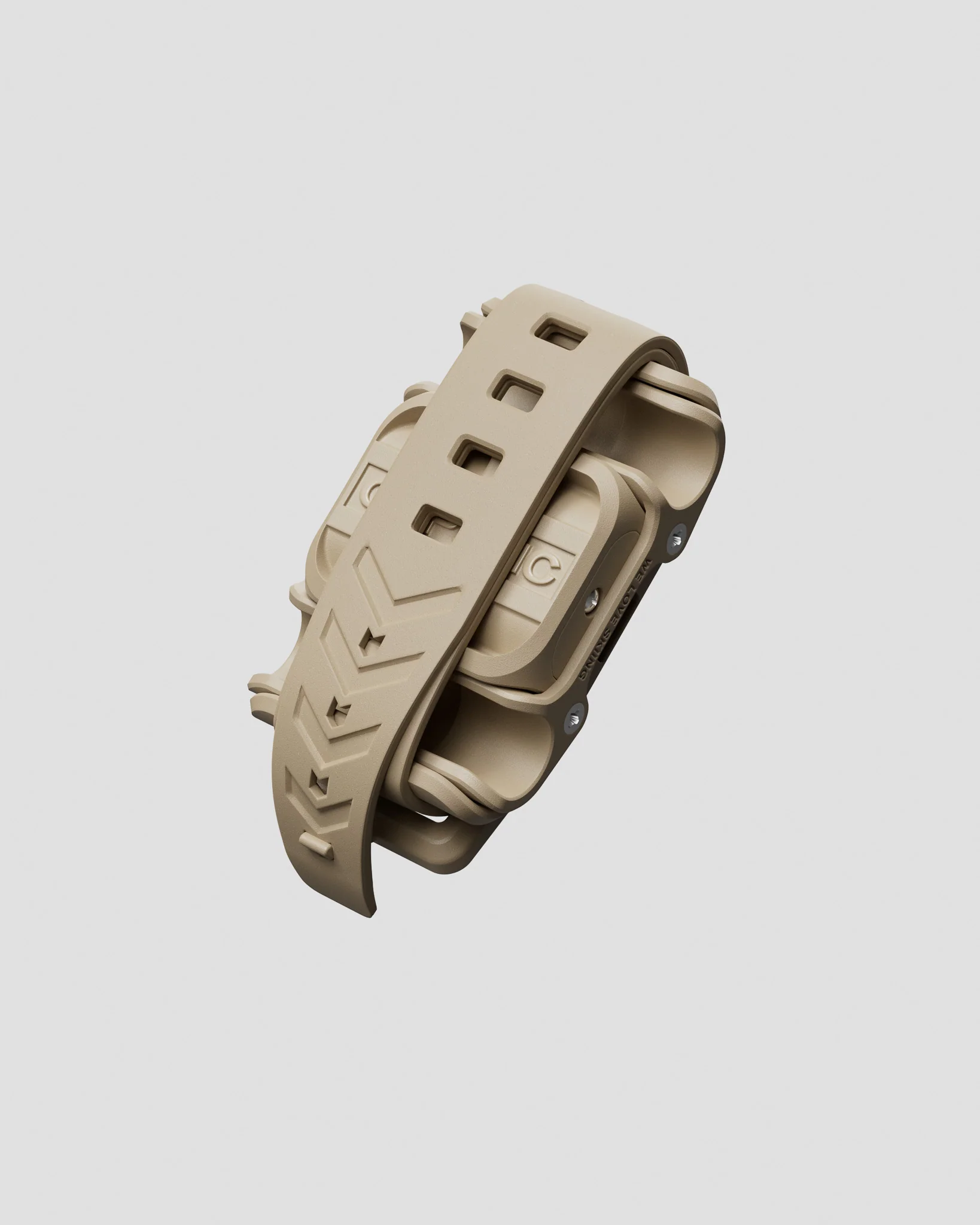
Missing a hand while carrying ski gear?
A friend of mine created Clipstic, the easy way to attach your poles to your skis! Using this link you get 10% off as well as support for Pick-a-ski!
Check it out!