Backland summit 9 review
Hands‑on review of the Atomic Backland Summit 9: DIN 4–9, ~400 g, AutoFlex heel, easy step‑in and lockable brakes. Pros, cons, comparisons and buying advice.
Chassis
tech · alpine touringAtomic’s Backland Summit 9 is a modern tech touring binding with brakes that balances uphill efficiency and dependable downhill manners. With a 4–9 release range, a useful AutoFlex heel, and a friendly step‑in, it’s a compelling day‑touring choice for lighter to medium‑weight skiers.
Who is it for?
- Backcountry skiers prioritizing low weight, reliability, and straightforward use on skin‑to‑summit missions.
- Skiers whose release settings fall within DIN 4–9 and who ski with a moderate, controlled style.
- Riders who want lockable touring brakes, three climbing aids, and a wide BSL adjustment window (50 mm).
On‑snow performance
- Uphill: At ~400 g per binding and with three heel risers (flat / ~7° / ~13°), transitions and long climbs are efficient and comfortable. Lockable brakes reduce hassle during traverses.
- Downhill: The heel’s ~4–5 mm elastic travel helps maintain consistent retention through ski flex and chattery snow. Within its DIN window, power transfer feels secure for a lightweight tech binding.
- Usability: The patented Step‑In Aid makes toe entry quick and confidence‑inspiring, especially in wind or on firm snow. A 50 mm BSL track adds versatility across boots and mount points.
Standout features
- AutoFlex heel elasticity to keep pressure consistent as the ski bends.
- Lockable touring brakes to prevent pop‑downs in walk mode.
- 3 climbing positions for efficient elevation gain.
- Crampon compatible (Backland crampons) for icy ascents.
Specs and what they mean
- Type of binding: Alpine Touring (Tech pin) – Uses boot inserts for a light, efficient uphill setup with solid touring performance.
- DIN / Release value: 4–9 – Best for lighter to average‑weight skiers and moderate aggressiveness; not built for very heavy or hard‑charging skiers.
- Elastic travel: ~4–5 mm heel travel (up to ~8 mm total with gap) – Aids retention through ski flex and reduces unwanted releases.
- Brake width: 80/90/100/110 mm – Match to ski waist; aim for equal to or up to ~15 mm wider than ski waist.
- Weight: ~395–415 g per binding – Lightweight for big vert and long days.
- Compatibility: Tech‑insert touring boots (ISO 9523 with tech inserts; GripWalk/WTR only if tech‑equipped) – Not for alpine soles without pins.
- Materials: Aluminum, steel, glass‑fiber reinforced polyamide – Balanced durability at low weight.
Comparisons
- Marker Alpinist 9/10: Similar weight and climbing prowess; Summit 9 adds notably easy step‑in and lockable brakes, while Alpinist heel elasticity is a bit more limited.
- Dynafit Radical: Heavier with a broad, planted feel and long‑proven durability; Summit 9 is lighter and more user‑friendly for dedicated touring.
- ATK Crest 10: Lighter with a very precise ski feel and DIN to 10; Crest costs more and is sportier, while Summit 9 emphasizes ease and value for DIN ≤9.
- Salomon/Atomic Backland Tour (MTN): Overlapping audience; Summit 9 brings lockable brakes and an especially approachable step‑in, keeping the focus on reliability.
Potential drawbacks
- Max DIN 9: Not ideal for heavy or highly aggressive skiers needing >9.
- Limited elasticity vs. alpine/hybrid bindings: Great for touring, but not intended for big‑impact freeride.
- Requires tech‑insert boots: Not compatible with alpine soles lacking pin inserts.
Frequently asked questions
Q: Who will benefit most from the Atomic Backland Summit 9?
A: Lighter to average‑weight skiers with moderate style who prioritize touring efficiency. Inside DIN 4–9, it delivers a dependable blend of uphill ease and downhill control.
Q: What brake width should I choose?
A: Match to your ski waist, equal to or up to ~15 mm wider. Example: 95‑mm waist → 100‑mm brake.
Q: How does the weight compare to competitors?
A: At ~400 g per binding it’s in the lightweight class—similar to Marker Alpinist and ATK Crest—and lighter than many all‑round tech bindings with extra features.
Key takeaways
- Lightweight and user‑friendly: fast step‑in, three risers, lockable brakes.
- Reliable retention within DIN 4–9 aided by heel elasticity.
- Ideal for day touring and all‑mountain backcountry for lighter/intermediate skiers.
- Not meant for hard‑charging freeride or skiers who need higher DIN.
Questions & opinions
User reviews
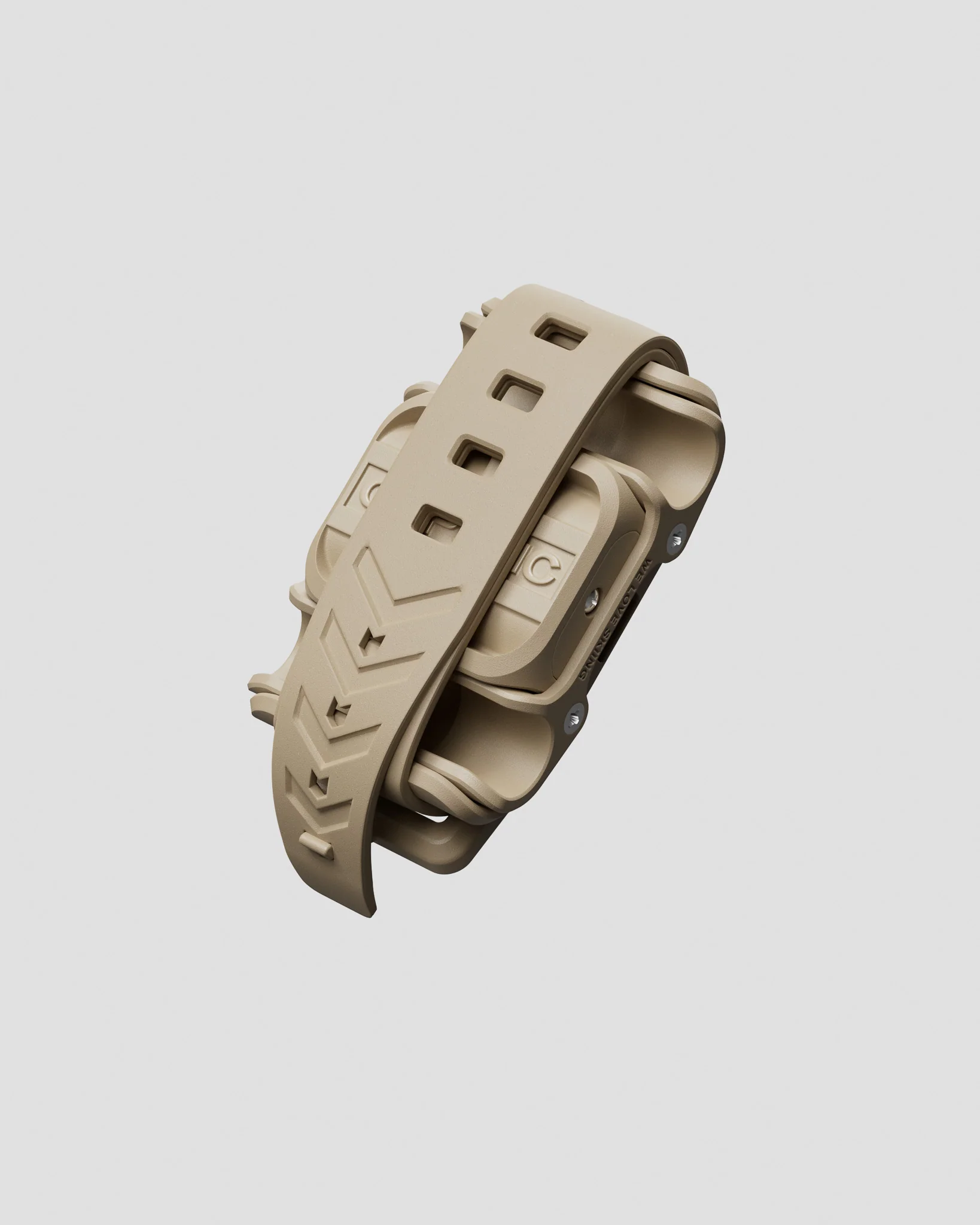
Missing a hand while carrying ski gear?
A friend of mine created Clipstic, the easy way to attach your poles to your skis! Using this link you get 10% off as well as support for Pick-a-ski!
Check it out!