Overview and Intended Use
The Backland 109 targets backcountry skiers who want real float and a nimble, forgiving ride without carrying extra grams. At 109–110 mm underfoot and a directional shape, it leans freeride, yet stays composed enough for long days and mixed snow. It is more playful and pivoty than many mountaineering-oriented 105s, but not as surfy as ultra-rockered 112s. Think of it as a sweet spot between the QST Echo 106’s all-round calm and the Pagoda Tour 112’s looseness, with better powder buoyancy than the Zero G 105.
Uphill Efficiency and Construction
At roughly 1540 g per ski in 184 cm, uphill efficiency is a clear strength. The Ultra Light Woodcore (poplar/karuba) keeps swing weight low, while carbon backbone stringers add snap without much mass. The FreeTour profile trims resin and fiberglass for a livelier, lower-impact flex, and the ash insert improves screw retention for binding reliability. Dura Cap sidewalls protect the tips and tails yet reinforce underfoot where it matters. Skinning feels quick and agile, and for the weight class, damping is respectable on long exits.
Powder and Soft-Snow Performance
Powder Rocker with a 25/55/20 layout and HRZN 3D tips deliver excellent flotation and planing at moderate speeds. The broad shovel increases surface area without a weight penalty, helping the ski surf and slash while staying predictable in crusted transitions. Modest tail rocker keeps the finish supportive, so you can drive the front or stand centered and smear. In trees and pillows it feels quick to pivot, with easy release. In heavy chop at higher speeds, you will find the speed limit earlier than on heavier, metal-laminate 110s.
Stability on Firm and Mixed Snow
On wind-buff, chalk, and firm corn, edge hold is solid for a touring powder board. The camber underfoot and directional sidecut engage cleanly, and the relatively flat tail supports hop turns on steep couloirs. That said, on refrozen sastrugi and hard icy runouts, vibrations creep in and demand a lighter touch. Compared to a Zero G 105, precision is lower but the ride is friendlier; compared to a QST Echo 106, grip is similar but the 109 feels looser and quicker to release when the snow gets grabby.
Key Specs Explained and Sizing Advice
Key specs translate directly on snow. The 25/55/20 rocker balance blends float (tip), reliable edge grip (camber), and controlled release (tail). Sidecut radii of 17.5–20 m favor medium-long arcs with predictable drift when needed. Tip/waist/tail widths scale by length—up to 136/110/125 mm—adding buoyancy in bigger sizes. Weight around 3080 g per pair in 184 cm keeps climbs efficient. For sizing, choose 176 cm for tight terrain or lighter riders, 184 cm for all-round touring near your height, and 189 cm for heavier skiers, deep days, and more speed.
The neighbourhood
its nearest skis on the map, by character — not by brandQuestions & opinions
User reviews
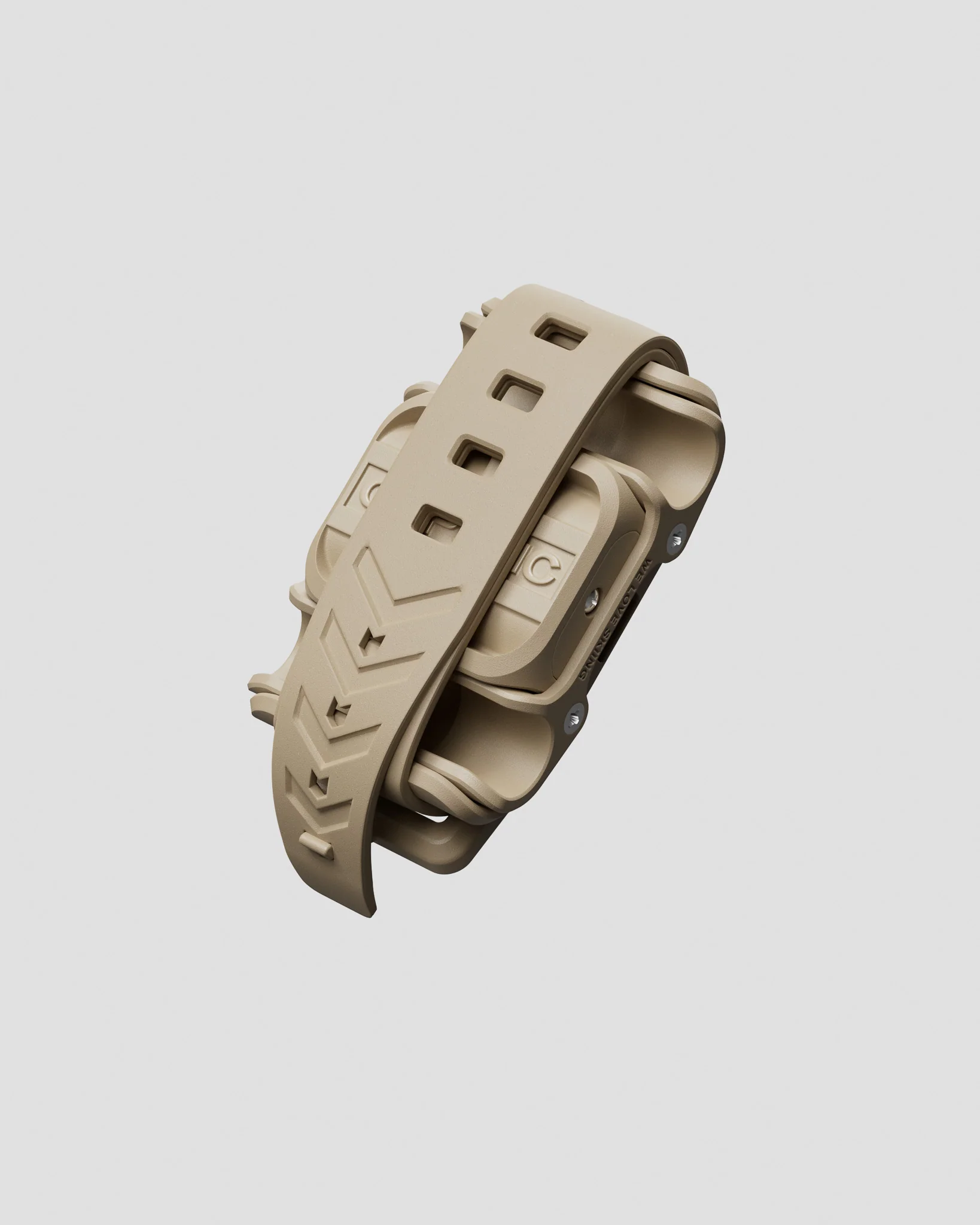
Missing a hand while carrying ski gear?
A friend of mine created Clipstic, the easy way to attach your poles to your skis! Using this link you get 10% off as well as support for Pick-a-ski!
Check it out!Not sure the Backland 109 is your ski?
Answer a few quick questions and the ski selector matches you with the right skis from 800+ models — free, no sign-up.