The Scott Explorair 88 is a lightweight touring ski that climbs efficiently and feels composed on the way down. With an 85–88 mm waist (by length), a paulownia/poplar core, carbon stringers, fiberglass, and Titanal reinforcement, it targets tourers who want long‑day efficiency without surrendering edge hold and predictability.
Who is it for?
- Ski tourers who prioritize uphill efficiency but still want a trustworthy, precise downhill.
- Guides and ambitious tourers seeking one ski for winter‑to‑spring conditions (firm, windbuff, corn) with enough margin in variable snow.
- Not for powder specialists who prefer wide, playful, surfy shapes.
Construction and design
- Dual wood core (paulownia + poplar): low mass with a bit of rebound underfoot.
- Carbon stringers + fiberglass: torsional rigidity and crisp edge hold without much weight.
- Titanal reinforcement: better damping and calmness on hard snow than many ultralight peers.
- Full sidewall, sandwich touring build; sintered base; Scott “Prepreg” for consistent layup.
- Touring tip‑and‑tail rocker: progressive “Pro‑Tip” for easy turn initiation and a light tail rocker that preserves support.
- Tip notch and reinforced tail with skin‑clip: quick, secure skin attachment.
Uphill performance
- Low weight (about 1200–1440 g per ski, depending on length) makes vertical gain efficient and kick turns easy.
- The relatively narrow waist rolls cleanly on steep traverses and holds an edge well.
- Tip notch and stout tail keep skins located during long ascents.
Downhill and snow feel
- On hardpack and morning refreeze: notably good grip and composure for its weight; Titanal and full sidewalls earn their keep.
- In mixed/variable snow: torsional stiffness helps hold a line, though the low mass can show some tip flutter at higher speed—damping is still above average for the class.
- In powder: 88 mm remains serviceable up to modest depths; don’t expect the buoyancy of a 95–100 mm platform.
- Turn behavior: progressive tip rocker and length‑specific sidecut (roughly 14–18 m radius) encourage quick initiation and controlled medium‑radius arcs.
Sizing and setup
- Length: pick around your height for stability; size down (~5 cm) for trees/steeps or lighter riders.
- Bindings: a lightweight pin binding matches the mission; heavier or aggressive skiers can choose a slightly burlier pin option for added confidence.
- Skins: the tip notch and tail clip play nicely with most tip‑loop systems; Scott‑specific skins fit seamlessly.
Comparisons
- Blizzard Zero G 85/95: stiffer and more hard‑snow focused, but can feel harsher; Explorair 88 is more forgiving and better damped for its weight.
- Salomon MTN 86: a touch heavier and therefore calmer in chop; slower on the climb.
- Atomic Backland 85/88: softer and more playful in soft snow, less precise on ice.
- Black Crows Ova Freebird (85): ultra‑light and speedy uphill, but less stable at pace than the Explorair 88.
Specs explained
- Rocker profile: Touring tip‑and‑tail rocker – earlier tip rise eases turn start; light tail rocker stays supportive.
- Tip/Waist/Tail width: 118–123 / 85–88 / 103–108 mm – sets float, quickness, and stability; narrower favors efficiency and precision on firm snow.
- Radius: about 14–18 m – shorter radii pivot quicker, longer radii feel calmer at speed.
- Weight: 1200–1440 g per ski – lighter climbs faster; a bit more mass brings better downhill damping.
- Lengths: 150/157/164/171/178 cm – dimensions and radius scale slightly with length.
Key takeaways
- Light and efficient on the skin track without feeling brittle on the descent.
- Better damping than many ultralight competitors thanks to Titanal.
- Limited deep‑snow float; strongest on firm to mixed conditions.
- Tour‑friendly hardware: tip notch and robust tail clip.
Frequently asked questions
Q: How does the Scott Explorair 88 handle ice?
A: Impressively for its weight. Full sidewalls, carbon/Titanal, and a narrower waist deliver strong edge hold—just keep speeds sensible on rutted, refrozen sections.
Q: What length should I choose?
A: Around your body height suits most tourers. Size down for tight terrain or lighter skiers; go longer for more stability at speed and in open bowls.
Q: Is the Scott Explorair 88 a good Alpine daily driver?
A: Yes, particularly from mid‑winter through spring. It excels on firm, windbuff, and corn, and copes with modest powder—just not a deep‑snow specialist.
Q: Which skins fit the tip notch?
A: Scott‑branded skins fit directly, and most tip‑loop plus tail‑clip systems are compatible with the Explorair 88’s tip notch and reinforced tail.
Verdict
The Scott Explorair 88 strikes a rare balance: light enough for big days, yet genuinely composed for an 88‑mm touring ski. If you want a dependable, precise, and relatively well‑damped tool for firm to mixed conditions, put it at the top of your list. Powder hunters may want wider; vertical chasers and guides will love it.
The neighbourhood
its nearest skis on the map, by character — not by brandQuestions & opinions
User reviews
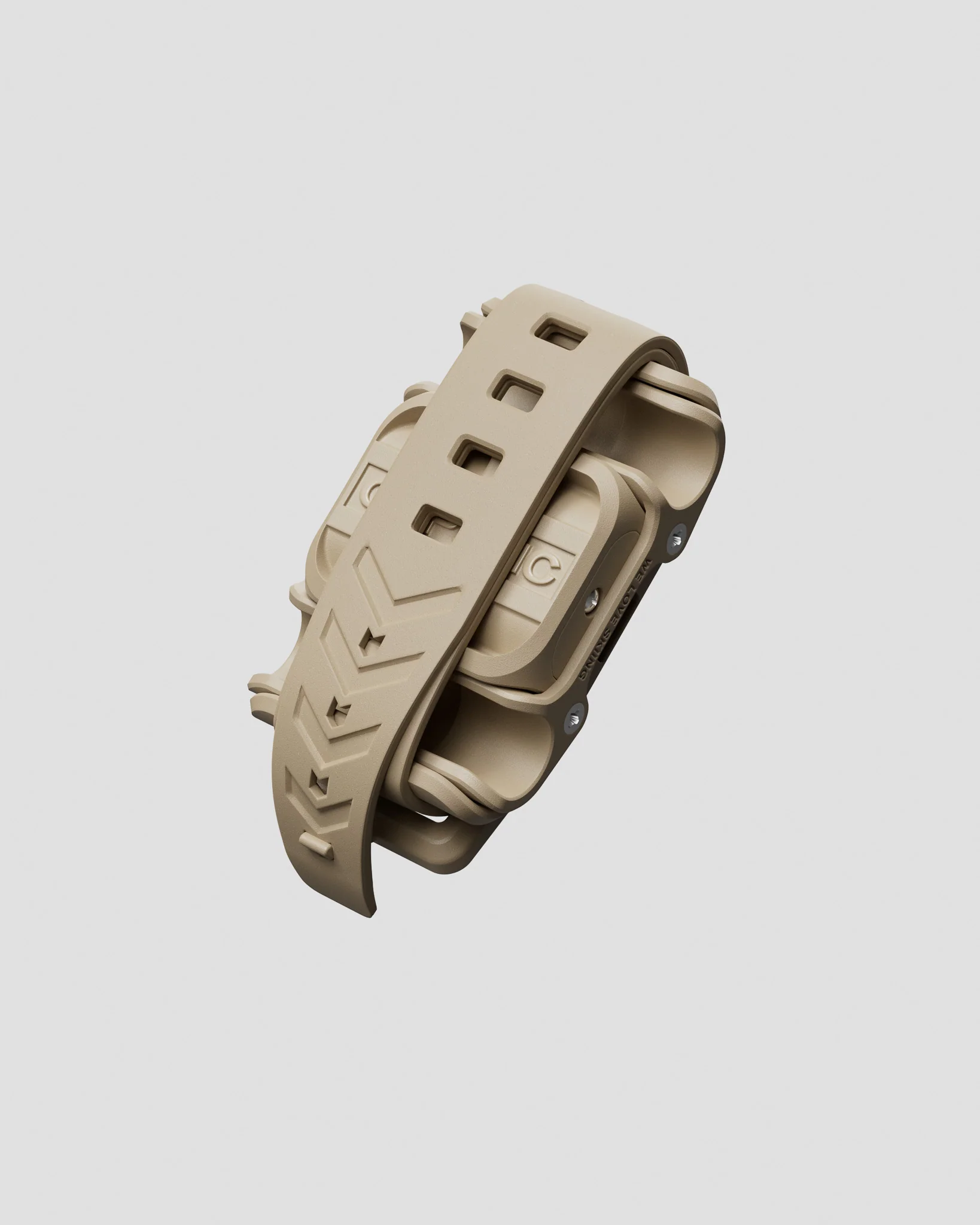
Missing a hand while carrying ski gear?
A friend of mine created Clipstic, the easy way to attach your poles to your skis! Using this link you get 10% off as well as support for Pick-a-ski!
Check it out!Not sure the Explorair 88 is your ski?
Answer a few quick questions and the ski selector matches you with the right skis from 800+ models — free, no sign-up.