Tx 10 review
Objective Tyrolia TX 10 review: DIN 3–10, GripWalk-ready, low stack and ~1650 g/pair. Pros, cons, who it suits, and comparisons to Squire 10, Z10 and Attack 11.
Chassis
frame · alpine touringThe Tyrolia TX 10 is a recreational alpine/frame binding with GripWalk-ready variants aimed at on-piste and light all‑mountain skiing. It blends low weight, dependable safety mechanics (TRP toe and Full Diagonal release), and multiple brake widths. For beginners through strong intermediates, it’s a confidence-inspiring, value-focused choice; powerful or heavy skiers may want more DIN headroom.
On-snow performance
- On groomers the TX 10 feels predictable and forgiving. The low stand height (~21 mm) keeps the snow feel direct and edge transitions quick.
- In light chop or soft off‑piste it remains composed, but it’s not designed for the widest freeride skis.
- Step-in is easy, including with GripWalk soles, thanks to the AFS anti-friction plate and smooth heel action.
Safety and release
- TRP roller-pincer toe reduces friction for consistent lateral release and fewer pre-releases.
- Full Diagonal release adds 180°/diagonal release paths during awkward falls—reassuring for knee protection.
- DIN 3–10 covers a broad swath of recreational skiers. Aggressive or heavier riders may exceed DIN 10.
Weight, stack height, and brake sizes
- At roughly 1650 g per pair, it’s light for its class, contributing to a nimble, lively feel without feeling flimsy.
- Multiple brake widths (78/80/90/100/115 mm) make matching to most piste/all‑mountain skis straightforward.
Materials and durability
- Lightweight aluminum riser/baseplate with mixed metal/plastic toe and heel. Built for day-in, day-out resort use with an emphasis on simplicity and low weight.
Comparisons
- Tyrolia Attack 11 GW: higher DIN and a more freeride-oriented platform with typically more elasticity; also heavier and pricier.
- Salomon/Atomic Z10 and Look NX 10: direct peers at DIN 10. The TX 10 stands out for Full Diagonal heel release and low stack; Z10/NX 10 offer similar ease of use.
- Marker Squire (11 ID): sportier and higher DIN but heavier; for lighter/intermediate riders, the TX 10 often suffices.
Who should/shouldn’t buy it?
- Choose it if you want a safe, light, GripWalk-compatible binding for piste and light all‑mountain with DIN up to 10.
- Skip it if you need >DIN 10, ski very hard on wide skis, or demand maximum elasticity and damping.
Specs explained
- Type of binding: Alpine / Frame — resort-focused with no walk mode; simple, sturdy choice for on‑piste/all‑mountain.
- DIN / release value: 3–10 — the adjustment range for release force; up to 10 suits most beginners to strong intermediates.
- Elastic travel: Not specified — numeric travel isn’t published; TRP/Full Diagonal provide effective elasticity to resist pre-release.
- Brake width: 78/80/90/100/115 mm — pick brakes about 5–15 mm wider than your ski’s waist for best function.
- Weight: ~1650 g per pair — light enough to feel nimble while retaining durability.
- Compatibility: ISO 5355 (Alpine), ISO 23223 (GripWalk) — works with most modern ski boots.
- Materials: Aluminum, steel/plastic — a balance of stiffness, durability, and weight.
Pros and cons
- Pros: Reliable multi-directional release (TRP + Full Diagonal).
- Pros: GripWalk compatibility and easy step-in.
- Pros: Low stand height for direct snow feel.
- Cons: Max DIN 10 limits headroom for heavy/aggressive skiers.
- Cons: Elastic travel not published.
- Cons: Less ideal for very wide freeride skis.
Key takeaways
- Ease of use: intuitive step-in and set-and-forget resort performance.
- Safety: Full Diagonal and TRP inspire confidence in unpredictable falls.
- Best fit: piste/all‑mountain skiers whose DIN needs are ≤10.
Frequently asked questions
Q: Will the Tyrolia TX 10 work with my boots?
A: Yes. It’s compatible with Alpine (ISO 5355) and GripWalk (ISO 23223) soles. Always have a certified technician mount and set your DIN for safety.
Q: What brake width should I choose?
A: Typically 5–15 mm wider than your ski’s waist. For an 88 mm waist ski, a 90 or 100 mm brake is appropriate.
Q: Is DIN 10 enough for me?
A: For most lighter to medium-weight intermediates, DIN 10 is sufficient. If you’re heavy, very aggressive, or frequently ski at high speeds, consider a higher-DIN binding (e.g., Attack 11/13).
Questions & opinions
User reviews
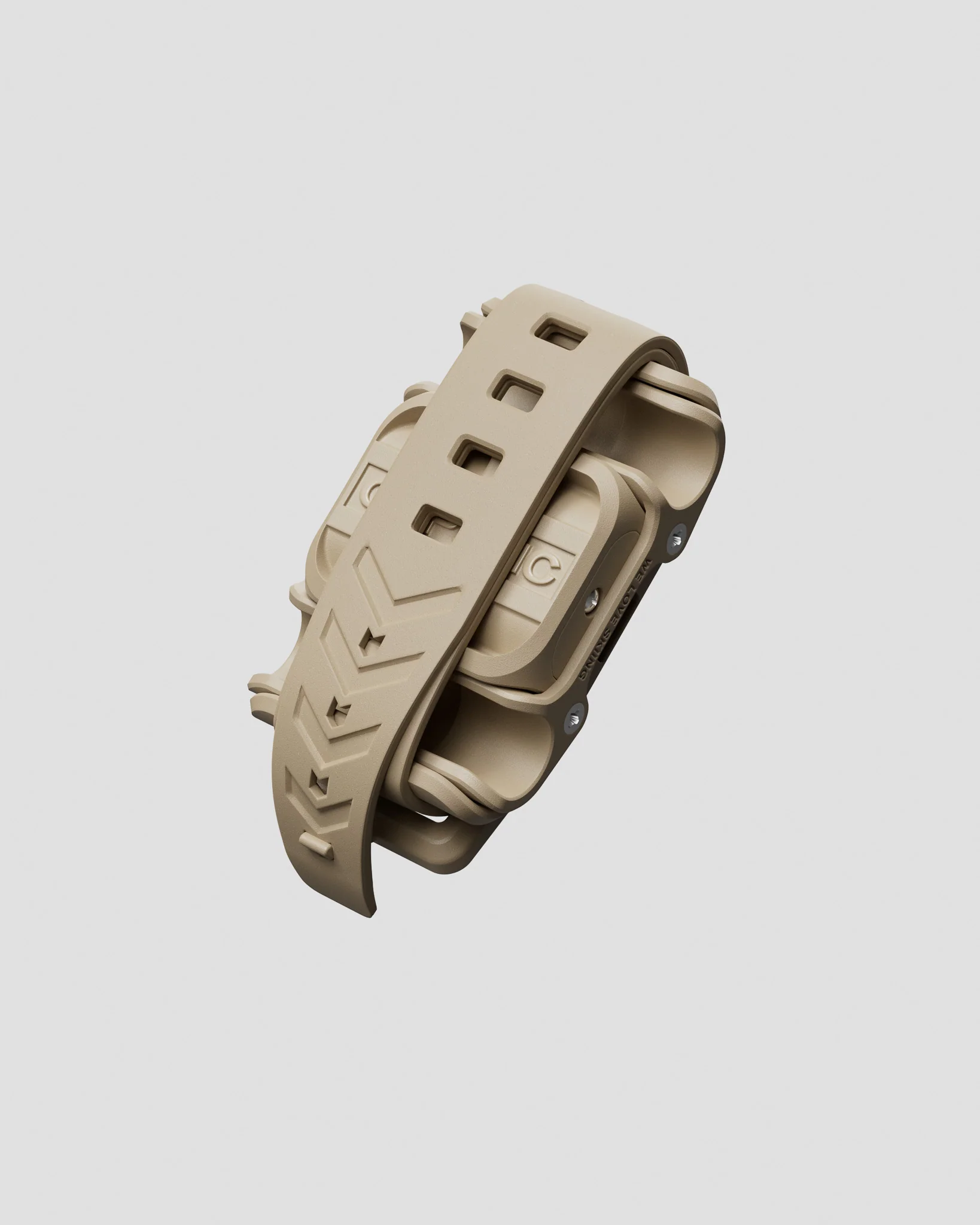
Missing a hand while carrying ski gear?
A friend of mine created Clipstic, the easy way to attach your poles to your skis! Using this link you get 10% off as well as support for Pick-a-ski!
Check it out!