Mtn summit 12 review
Objective review of the Salomon MTN Summit 12 tech touring binding. Pros, cons, on‑snow performance, specs explained, and comparisons to Marker, Dynafit, ATK.
Chassis
tech · alpine touringSalomon’s MTN Summit 12 is a modern tech touring binding that balances uphill efficiency with trustworthy downhill poise. With an adjustable lateral release of 6–12, a helpful step-in aid, and roughly 4 mm of AutoFlex elasticity, it targets experienced tourers who want light weight without sacrificing confidence on the descent.
Who is it for?
- Intermediate to expert backcountry skiers prioritizing long days, efficient skin tracks, and composed descents.
- Mid-width touring skis (80–110 mm) for classic tours, couloirs, and mixed backcountry snow.
- Riders using tech-insert boots looking for a simple, robust setup.
Uphill and transitions
At approximately 395–425 g per binding with brakes (about 315 g without), the MTN Summit 12 climbs efficiently and feels unobtrusive on your feet. The patented step-in aid speeds up toe entry in cold, deep conditions, and the heel risers flip easily with a pole. AutoFlex (~4 mm) lets the ski flex more freely underfoot, smoothing kick turns and reducing unwanted binding stress during long approaches.
Downhill performance
For its weight class, the MTN Summit 12 inspires confidence. Retention is solid and releases are predictable when set correctly, while the added elasticity helps keep the ski planted on rough or variable snow. It remains a pure tech binding—resort laps and big drops are not its forte—but in the intended touring environment it skis quietly, with good edge hold and control.
Features and usability
- Step-in aid: Faster, cleaner toe entry when snow and ice fight back.
- Climbing aids: Pole-friendly risers make quick work of changing gradients.
- Brakes or leashes: Common brake widths are 80/90/100/110 mm (some regions offer 120 mm). Leash builds save significant weight.
- Crampon compatibility: Works with Salomon/Atomic/Plum-style touring crampons.
- Wide screw pattern: Enhances mount security on today’s wider skis.
Durability
A blend of high-strength aluminum and glass-fiber reinforced polyamide (PA) achieves a strong-yet-light chassis that resists cold-weather brittleness. As with any tech binding, clearing ice around the toe and periodically checking pins/springs will keep performance consistent season after season.
Comparisons
- Marker Alpinist 12: Noticeably lighter without brakes and very efficient uphill, but with less binding elasticity and a more minimalist step-in feel than the MTN Summit 12.
- Dynafit Radical: Heavier with more features and a comfort-forward ride for mixed resort/touring use; better if you value extra mass and refinement.
- ATK Raider 12: Slightly heavier and more feature-rich with a freeride bias; pricier, with excellent downhill composure.
- G3 ZED 12: Similar weight/mission with strong adjustability and a different heel feel.
Pros and cons
- Pros: Low weight with brakes; excellent step-in; useful elastic travel; broad brake sizes; durable materials.
- Cons: 6 as the minimum release value is high for very light skiers; less total elasticity than hybrid freeride bindings; brakes add weight versus a leash.
Specs explained
- Type of binding: Tech / Alpine Touring — pin toe and heel for efficient ascents and reliable descents in backcountry terrain.
- DIN / release (6–12): Range suits average to powerful skiers; higher values support aggressive skiing, lower values favor lighter riders.
- Elastic travel (~4 mm): Allows the ski/binding to move with terrain; improves contact and retention on choppy snow.
- Brake widths (80/90/100/110 mm): Choose 5–15 mm wider than your ski waist for proper side coverage.
- Weight (~395–425 g with brakes; ~315 g without): Lower weight equals better uphill efficiency; brakes add convenience and safety but cost grams.
- Compatibility: Tech-insert touring boots (ISO 9523 with tech inserts), touring crampons; designed for touring skis.
- Materials: Aluminum + glass-fiber reinforced polyamide — a strong, light combo that handles cold and daily use well.
Frequently asked questions
Q: What boots are compatible with the MTN Summit 12?
A: Any touring boot with tech inserts, ideally ISO 9523 touring soles with certified inserts. Alpine soles without inserts are not compatible.
Q: Is this binding suitable for frequent resort skiing?
A: Occasional laps are fine, but the MTN Summit 12 is purpose-built for touring/backcountry. For repeated hard impacts and big airs, heavier or hybrid bindings are better suited.
Q: How should I pick brake width?
A: A common rule is 5–15 mm wider than your ski’s waist. For a 98 mm ski, a 100–110 mm brake makes sense.
Key takeaways
- Climbs efficiently, descends with surprising calm.
- Standout step-in and meaningful 4 mm elastic travel.
- Ideal for tourers seeking light weight without sacrificing confidence.
Also compared
1 pairsQuestions & opinions
User reviews
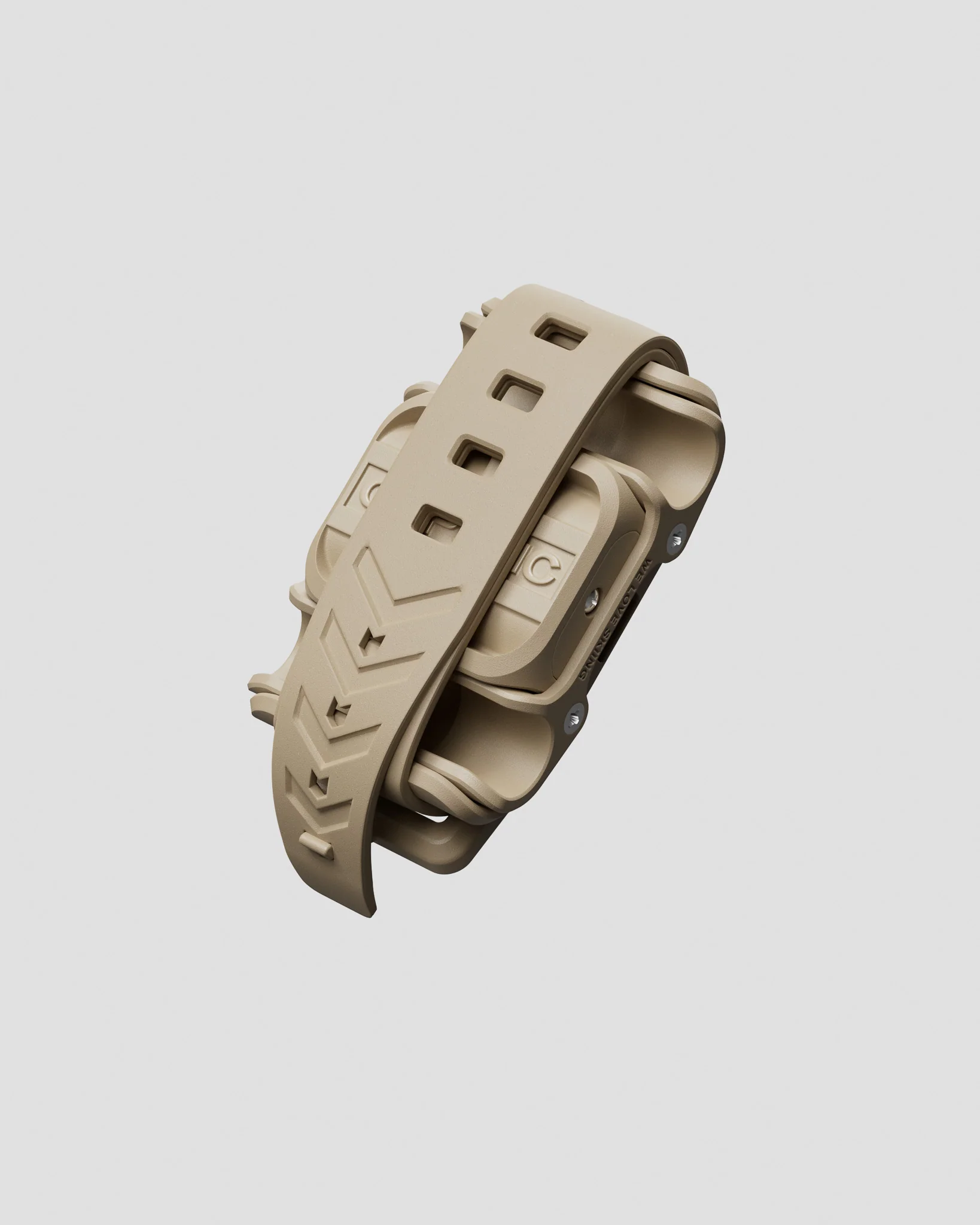
Missing a hand while carrying ski gear?
A friend of mine created Clipstic, the easy way to attach your poles to your skis! Using this link you get 10% off as well as support for Pick-a-ski!
Check it out!