The Rossignol Sender Free 110 is a modern, playful freeride ski that still brings real composure when the snow gets cut up. Progressive rocker, a poplar core, Carbon Alloy Matrix, and a Titanal beam underfoot deliver float and forgiveness with enough bite and damping to ski hard. It’s aimed at advanced to expert freeriders who want a soft‑snow daily driver that stays predictable beyond storm days.
Key takeaways
- Powder specialist with range: long, low tip rocker and 110 mm waist make float easy without feeling planky.
- Stable for its weight: quiet and composed in chop; not as bulldozer‑damp as full‑metal chargers.
- Groomers: reliable edge hold underfoot; prefers medium‑to‑long arcs.
- Playful handling: easy to pivot and smear with a supportive, tapered tail; low swing weight from Air Tip.
- Target skier: advanced/experts who value surfy handling with real edge grip and control.
On‑snow performance
- Powder: The progressive/twin rocker lifts quickly and the tapered tail releases smoothly for slashy turns and forgiving landings.
- Chop & variable: Carbon Alloy Matrix and V‑A‑S calm vibrations. It tracks well through set‑up snow, though straight‑line hammering in heavy crud still favors heavier skis.
- Groomers: The Ti beam underfoot adds bite and rebound. It’s happiest making medium to longer turns; high‑energy short‑turn carving isn’t its mission.
- Trees & bumps: Light swing weight and a loose, pivot‑friendly tail make tight spaces intuitive.
- Jumps & switch: Plenty playful for side hits and soft‑snow airs; switch is doable though the tail isn’t a full, symmetrical twin.
Construction & tech (what it does)
- PEFC poplar wood core: balanced flex and lively feel with sustainability creds.
- Carbon Alloy Matrix + glass: diagonal carbon/basalt weave to add stability and reduce weight.
- Ti Plus Beam: Titanal reinforcement underfoot for grip, damping, and energy on edge.
- Air Tip / Extended Core: lowers swing weight and keeps the tips composed in soft snow.
- Rectangular full sidewall: strong power transfer and edge precision.
- Sintered HD base: fast, durable, holds wax well.
Specs and what they mean
- Example dimensions (184 cm): 140‑110‑133 mm — waist width for float, with tapered ends for easy smearing/pivoting.
- Sidecut radius: 20 m (184) — stable, non‑twitchy at speed; favors medium/long arcs.
- Rocker profile: Progressive Rocker (rocker/camber/rocker) — long, low tip rocker for float, camber for grip, tapered tail for control.
- Weight: approx. 3.6–4.4 kg/pair depending on length (around 4.4 kg at 184) — playful yet planted.
- Available lengths: 160, 168, 176, 184, 191 cm — longer for stability/float, shorter for maneuverability.
Comparisons
- Atomic Bent 110: looser and surfier in soft snow, but with less on‑edge authority than the Sender Free 110.
- Blizzard Rustler 11: more charger‑oriented and damper; not as playful or pivot‑happy.
- Salomon QST 106: better hard‑snow versatility and quicker edge‑to‑edge; less float on the deepest days.
- Faction Mana 3: freestyle‑leaning and lively; Rossignol feels a touch more composed in chop.
Who it’s for (and not)
- For: advanced/experts seeking a soft‑snow biased one‑ski quiver for resorts with regular refreshes.
- Not for: ice‑day carvers or skiers wanting a super‑stiff, directional metal charger.
Mounting & sizing tips
- Start at the recommended line; +1 to +2 cm forward if you want a more freestyle feel.
- Between sizes? Go shorter for trees/bumps and playfulness; longer for stability, speed, and float.
Frequently asked questions
Q: Is the Rossignol Sender Free 110 a daily driver?
A: In soft‑snow climates, yes. The 110‑mm waist and progressive rocker thrive in powder and mixed conditions. On true ice, a narrower all‑mountain carver will be better.
Q: What bindings pair well?
A: Stout alpine bindings like Look Pivot, Salomon STH2, or Marker Griffon suit its intent. For 50/50 resort‑tour use, a hybrid like the Shift can work if you mind overall weight.
Q: How does it handle hardpack?
A: The Ti beam and sidewalls give solid bite for the width, but it’s still a rockered 110. If you prioritize razor‑sharp carving on firm snow, look around 95–100 mm.
Q: What size should I choose?
A: As a rule, body height to +5 cm for freeride. Go shorter if you favor trees and agility; go longer if you charge open terrain and want max float.
The neighbourhood
its nearest skis on the map, by character — not by brandQuestions & opinions
User reviews
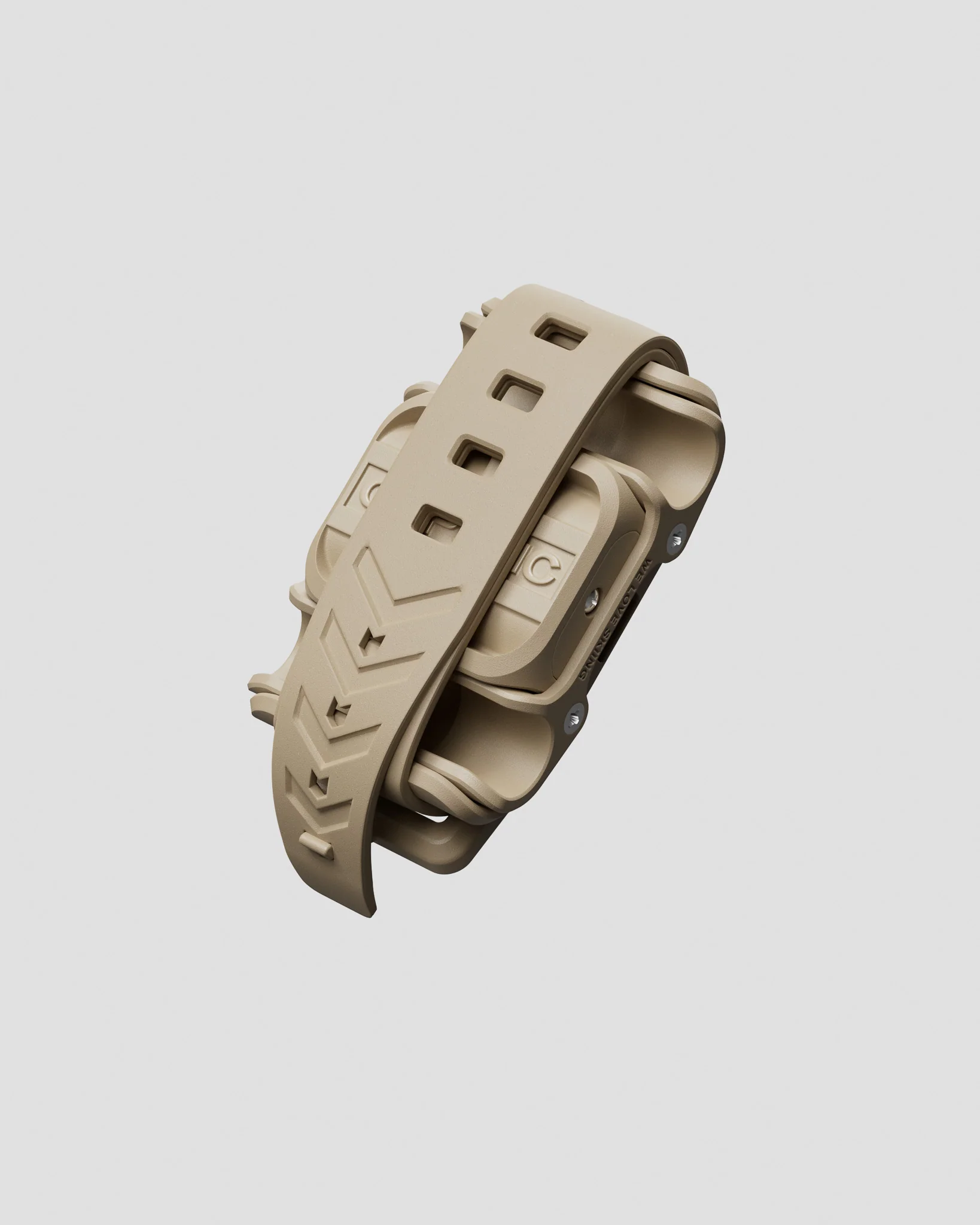
Missing a hand while carrying ski gear?
A friend of mine created Clipstic, the easy way to attach your poles to your skis! Using this link you get 10% off as well as support for Pick-a-ski!
Check it out!Not sure the Sender free 110 is your ski?
Answer a few quick questions and the ski selector matches you with the right skis from 800+ models — free, no sign-up.