Dobermann gsj plate review
Balanced junior GS race ski with full camber, junior race plate and race-ready finish. Ideal for developing racers seeking edge hold and predictable GS performance.
Purpose and target rider
The Dobermann GSJ Plate is a junior GS-focused race ski built for developing racers who spend their time on groomed, hard-packed slopes. Its full camber profile and race-ready base finish combine with a junior race plate to improve power transmission and responsiveness. The ski’s intent is clear: deliver precise edge hold and predictable turn mechanics so young skiers can build speed and confidence on course-like terrain. Available lengths from 129 to 171 cm cover newcomers learning technique through to youth athletes pushing for longer GS lines.
Construction and specs explained
Construction follows the Energy 2 TI concept: a performance wood core reinforced with titanal layers and a semi‑titanal sidewall design for added power and edge grip. Full camber means continuous contact underfoot for immediate bite and snap out of turns. Factory bevels — base 0.9° and side 87.5° — arrive race-ready, optimizing glide and edge angle. Sidecut and turning radius change with length (for example 104.5-65-86 mm and ≈14 m at 150 cm), affecting turn size and response. Weights per pair range from 1.98 to 3.14 kg, influencing swing weight and inertia.
On‑snow handling and behavior
On snow the ski feels communicative and direct: the camber and titanal reinforcement give firm edge hold and stability at speed, while a slightly softer flex (tuned for juniors) makes the platform more forgiving during technique development. Turn initiation is smooth thanks to balanced tip geometry, and the Marker Junior Race Plate enhances power transfer for sharper, more efficient turns. Compared to the stiffest junior race boards, this ski is more approachable without compromising much on speed or edge control, making it ideal for progressing racers.
Race features and tuning
Race-ready features are prominent: factory finish, Junior Race Plate and tuned flex let you quickly dial in a race setup. The 0.9° base bevel reduces drag for better straight-line speed, while the 87.5° side bevel gives sharp bite but demands regular edge maintenance. Smaller lengths use a two-piece plate to fine-tune flex characteristics; binding mounting and DIN settings should be handled by a trained tech to ensure accurate stance and safety. For consistent race performance, professional waxing and edge profiling are recommended.
Buying advice and sizing
When choosing length, prioritize intended use and experience: shorter skis (129–150 cm) are easier to turn and help technique learning; 157–171 cm add high-speed stability for true GS lines. Strengths are outstanding edge grip, race-ready setup and plate options; limitations include reduced versatility off-piste and higher maintenance needs to keep edges sharp. Overall, this ski is an excellent option for young athletes focused on on‑piste racing. Recreational kids or those skiing varied terrain may prefer a more all‑mountain junior ski.
The neighbourhood
its nearest skis on the map, by character — not by brandQuestions & opinions
User reviews
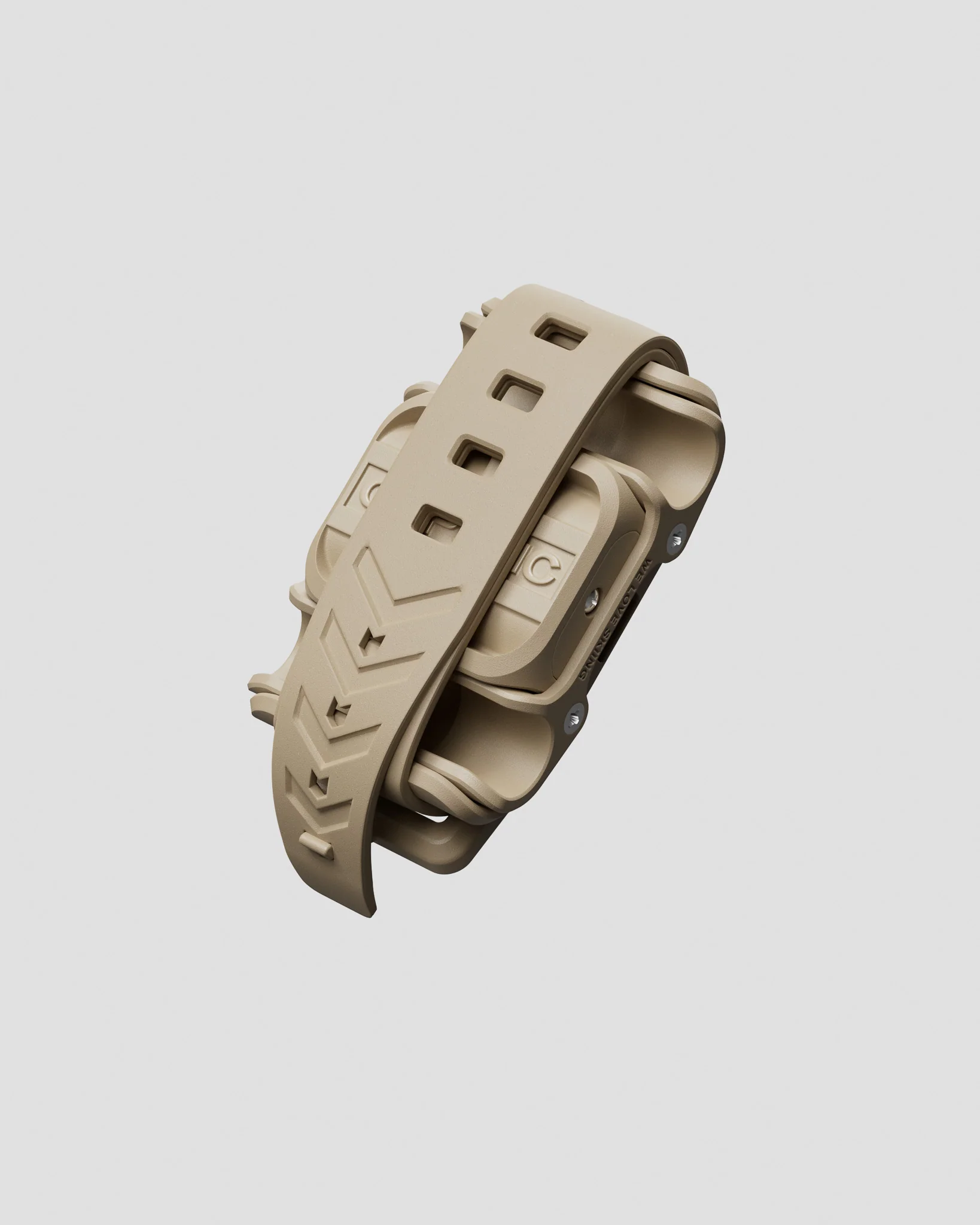
Missing a hand while carrying ski gear?
A friend of mine created Clipstic, the easy way to attach your poles to your skis! Using this link you get 10% off as well as support for Pick-a-ski!
Check it out!Not sure the Dobermann gsj plate is your ski?
Answer a few quick questions and the ski selector matches you with the right skis from 800+ models — free, no sign-up.