Comp 20 rd review
Deep-dive review of Marker Comp 20 RD: DIN 11–20, 85 mm brake, ~1375 g, ISO 5355 only. Who it’s for, on-snow feel, setup tips, pros/cons, plus Pivot vs Freeflex
Chassis
alpine · raceThe Marker Comp 20 RD is a World Cup race-department alpine binding built for FIS-level athletes who demand unflinching retention, precise power transfer, and metal-heavy durability. With a DIN range of 11–20, an 85 mm race brake, and ISO 5355-only compatibility, it’s a specialist tool for slalom and GS race courses—not a recreational binding.
Key takeaways
- Race-only DIN (11–20): made for extreme loads at speed; not intended for casual skiers.
- No GripWalk compatibility: requires standard alpine (ISO 5355) soles for proper release.
- Low stand height (~18 mm): delivers snow feel and quick edge-to-edge response.
- Metal-forward construction: magnesium/steel with Teflon/stainless AFD for longevity and consistent release.
- 85 mm brake: perfect for narrow FIS race waists; not for wide all-mountain/freeride skis.
Specs and what they mean
- Type of binding: Alpine race binding (FIS/World Cup RD) — engineered for on-piste gates with maximum precision and torsional rigidity.
- DIN / release value: 11–20 — supports very high settings for elite racers; boosts retention under impact but must be set by a qualified tech.
- Elastic travel: Not specified (TwinCam heel with higher elasticity) — the heel’s increased elasticity helps absorb chatter so you stay clipped in through ruts yet still get a clean release when needed.
- Brake width: 85 mm — race-standard width tailored to narrow waists; minimizes drag and maximizes edge angle.
- Weight: ~1375 g per binding — hefty, competition-grade mass that adds damping and durability.
- Compatibility: ISO 5355 adult, BSL ~240–360 mm, not GripWalk — works with classic race soles only; no touring or GW soles.
- Materials: Magnesium, steel, Teflon/stainless AFD — stiff, strong, and designed for repeatable release even with icy/contaminated soles.
- Stand height: ~18 mm — low stack for direct snow feedback and aggressive edge angles.
- Heel adjustment: ~20 mm — practical range for fine-tuning around your boot-sole length.
On-snow performance
The Comp 20 RD shines in straight-line stability and precise power delivery into the ski edge. The Competition 4Linkage toe keeps the boot centered with authority, while the TwinCam Competition heel’s added elasticity helps maintain retention through vibration and chatter that could otherwise cause pre-release. Low stack height amplifies edge bite and rapid edge changes, and the metal chassis damps hits from gates and compressions.
Setup and durability
This binding should be mounted and calibrated by an experienced race technician. Proper forward pressure and AFD contact are critical for predictable release. The metal-intensive build (with magnesium in key zones) and robust AFD plate contribute to long-term durability for training volume and race-day reliability.
Comparisons
- Look Pivot 18 GW: famous for heel elasticity and often GW compatibility, but with an 18 DIN ceiling. For pure FIS use with DIN up to 20 and an 85 mm race brake, the Marker offers a higher ceiling.
- Tyrolia/Head Freeflex 20 RD: similar race intent and low stack; Freeflex emphasizes ski flex management. Marker counters with brutally direct power transfer and a confidence-inspiring heel lock.
- Marker XComp 18: lower DIN range and slightly more accessible; Comp 20 RD is the pick if you routinely run settings above ~16.
Potential drawbacks
- High minimum DIN (11) excludes most skiers.
- Not compatible with GripWalk; ISO 5355 only.
- Heavy compared to consumer all-mountain bindings.
- 85 mm brake limits ski choice to narrow race waists.
Who should buy it?
FIS and elite-level racers who prioritize retention, low stack, and maximum edge precision for SL/GS courses. Recreational and all-mountain skiers should look to a binding with a lower DIN range and broader boot compatibility.
Frequently asked questions
Q: Is the Marker Comp 20 RD compatible with GripWalk boots?
A: No. It’s designed for ISO 5355 alpine soles. Use standard race soles to ensure proper release and consistent performance.
Q: What ski widths suit the 85 mm brake?
A: The 85 mm race brake is ideal for typical SL/GS waists (often 65–75 mm). For wider all-mountain or freeride skis, look elsewhere.
Q: Who benefits from a DIN up to 20?
A: Very strong, experienced racers who generate high forces and require elevated settings for retention. Always have DIN set by a qualified technician.
Questions & opinions
User reviews
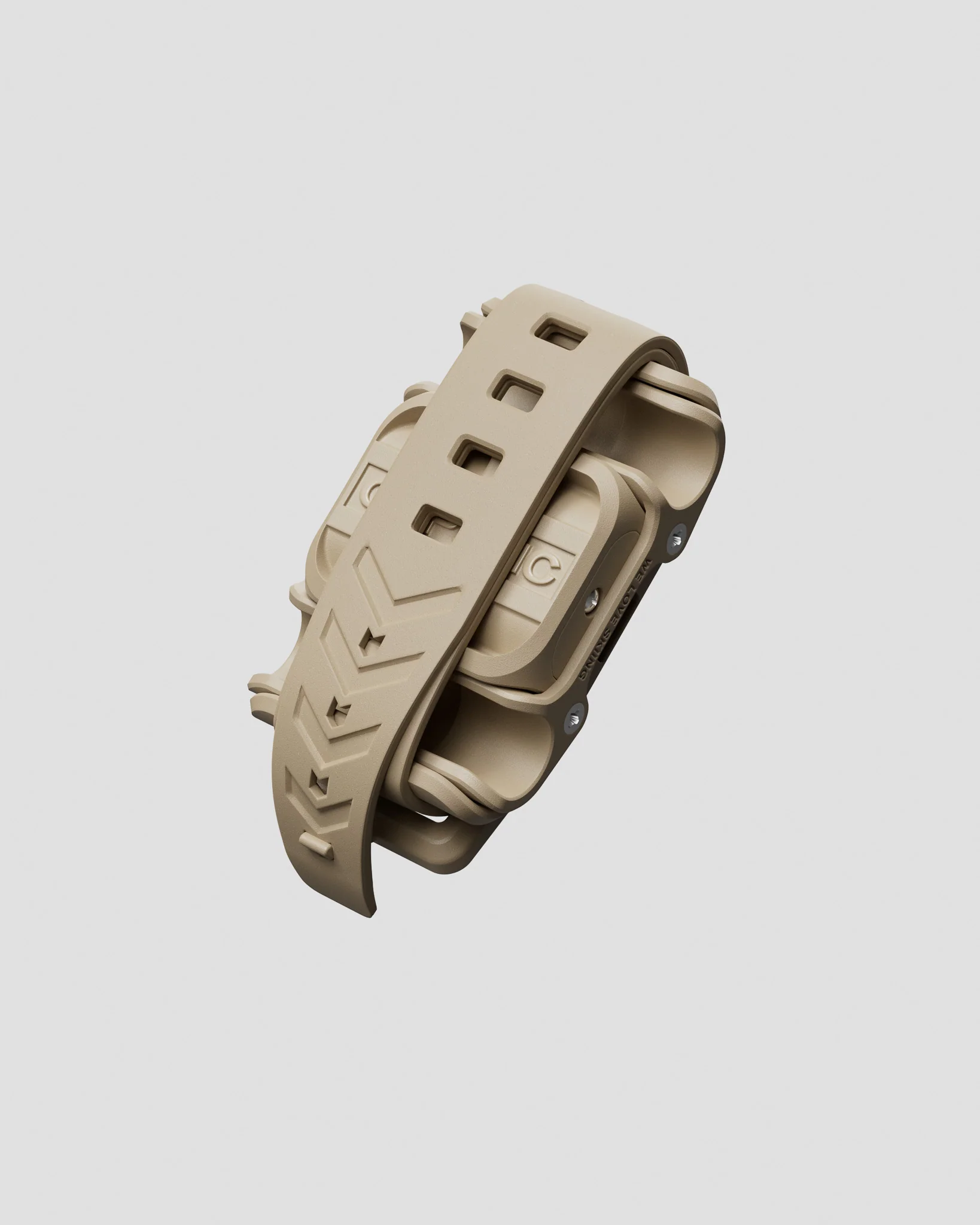
Missing a hand while carrying ski gear?
A friend of mine created Clipstic, the easy way to attach your poles to your skis! Using this link you get 10% off as well as support for Pick-a-ski!
Check it out!