Superlite 175 plus review
Comprehensive Dynafit Superlite 175 Plus review: uphill speed, downhill control, release range, brakes, weight, and who it suits. Clear pros, cons, and specs.
Chassis
tech · alpine touringOverview
The Dynafit Superlite 175 Plus is a minimalist tech/pin touring binding aimed at skiers who count every gram. It offers an adjustable lateral release range of roughly 5–12 (Z12+) and a fixed vertical release that you tune via an interchangeable U‑spring. At a claimed 175 g per binding without brakes, it’s built for fast ascents; optional brakes (75/90/105 mm) add convenience at a notable weight cost.
Who is it for?
- Ski mountaineers and speed-tourers prioritizing low weight and efficiency.
- Riders who prefer a direct, precise feel on narrow to mid-width touring skis.
- Less ideal for frequent resort use or powerful skiing on wide, damp skis where elasticity and damping are valued.
Uphill and transitions
- Class-leading efficiency thanks to the low weight and simple, reliable interface.
- Two walk modes (half-step and climbing aid) cover most skintrack angles; heel rotation with a pole is straightforward.
- Optional brakes ease transitions and add security on mixed terrain, at the expense of extra grams.
Downhill performance
- Delivers a firm, precise power transfer; compared to more elastic bindings it can feel “direct” on hard snow.
- Lateral release is adjustable (about 5–12); vertical release is fixed but tunable via U‑spring choice—pair with professional setup and testing.
- Excellent control on lightweight to midweight touring skis; at high speeds or in chatter it lacks the elastic travel and damping of heavier, feature-rich alternatives.
Features and build quality
- Ice-Breaker toe pins help clear ice; integrated crampon slot for steep/icy ascents.
- Heel adjustment plate offers about 20 mm of length range—useful for boot swaps and fine-tuning mount.
- Optional brakes in 75/90/105 mm; quick to mount.
- Materials: forged 7075 aluminum, stainless steel, and high-tech polymer; designed/made in Germany with Dynafit’s lifetime guarantee.
Pros and cons
- Pros: class-leading weight; crisp power transfer; 20 mm heel adjustment; optional brakes; reliable in cold/icy conditions.
- Cons: fixed vertical release via U‑spring (less fine-tuning); limited elastic travel; fewer heel riser options than some rivals; tech-insert boots only (not MNC).
Comparisons
- Marker Alpinist 12: heavier but with both vertical and lateral adjustability and a touch more elasticity; a friendlier all-round touring choice.
- ATK Raider 12: notably heavier yet packed with downhill features (elastic response, freeride spacer); more forgiving when charging.
- Salomon MTN/Atomic Backland Tour: moderately heavier with versatile heel risers and full adjustability; an accessible, do-it-all tour option.
Specs explained
- Type of binding (Alpine Touring, Tech): tech/pin system—light and efficient, requires boots with tech inserts.
- DIN / release value (5–12 lateral; vertical via U‑spring): governs how easily the binding releases; lateral is adjustable, vertical is tuned by spring choice.
- Elastic travel (not published): less built-in elasticity yields a more direct feel but less margin in hard chatter.
- Brake width (75/90/105 mm): choose roughly 10–15 mm wider than your ski’s waist.
- Weight (175 g per binding brakeless; ~319 g with brake): lighter climbs faster; brakes add meaningful mass.
- Compatibility (ISO 9523 tech inserts; 20 mm heel adjustment; crampon slot): works with touring boots with tech inserts; not MNC.
- Materials (7075 aluminum, stainless steel, polymer): durable, stiff, and light.
Frequently asked questions
Q: Should I choose the Superlite 175 Plus (Z12+) or the 175 (Z10)?
A: Go Z12+ if you need a higher lateral release range (~5–12 vs ~4–10). Heavier or more dynamic skiers benefit from the added headroom; lighter, mellower tourers are often fine with Z10.
Q: Do I need brakes or are leashes enough?
A: Brakes enhance safety and convenience on-piste and in mixed terrain but add weight. Leashes are lighter and simple yet carry runaway-ski risks—choose based on terrain and priorities.
Q: Which U‑spring should I pick?
A: Match the U‑spring to your weight, technique, and terrain. Start conservatively and have a shop set and function-test your release settings.
Key takeaways
- Ultra-light efficiency: maximizes uphill speed and reduces fatigue.
- Direct downhill feel: precise power with less damping than heavier bindings.
- Modular tuning: optional brakes and U‑springs tailor release and usability.
Questions & opinions
User reviews
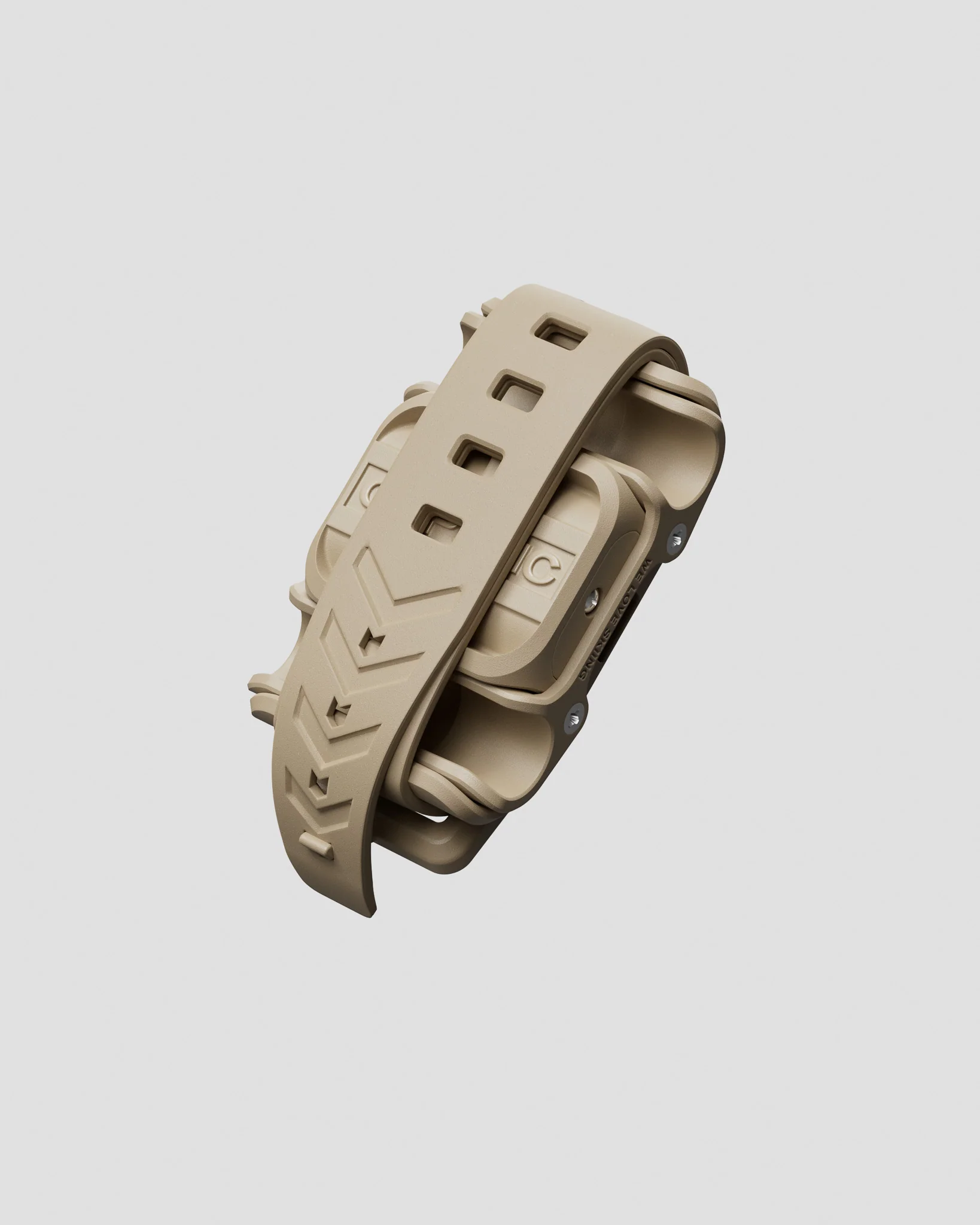
Missing a hand while carrying ski gear?
A friend of mine created Clipstic, the easy way to attach your poles to your skis! Using this link you get 10% off as well as support for Pick-a-ski!
Check it out!