The Black Crows Solis is a purpose‑built, verticality‑focused freeride ski for steep lines and firm snow. At 100 mm underfoot with a long progressive front rocker, light camber, and a supportive, progressive tail, it delivers calm, predictable control where exposure is high and mistakes are costly. It’s not a playful all‑mountain twin; it’s a precision tool for advanced and expert skiers.
What it is and who it’s for
- Intended use: Big‑mountain steeps, couloirs, firm wind buff, and variable hard snow.
- Personality: Directional, long radius (~25 m), strong tail support to prevent over‑steer on the fall line.
- Skier profile: Advanced–expert who values edge hold, stability, and deliberate turn shapes/jump turns.
On‑snow performance
- Steeps & ice: Excellent edge hold and poise. The underfoot titanal plate and light camber bite; the long radius promotes fall‑line stability without a hooky tail.
- Wind buff/firm: Quiet and composed. Not as dead‑calm as the heaviest chargers, but confidence‑inspiring in consequential terrain.
- Powder & soft: The long front rocker offers respectable float for 100 mm. Directional feel prefers a balanced, forward stance over slarvy, surfy styles.
- Crud & chop: Good composure for the weight. Less bulldozer than a Blizzard Cochise 106 or Black Crows Corvus, but predictable and not deflected easily.
- Trees & bumps: Easier to pivot than the 25 m number suggests thanks to rocker and a progressive tail, yet it still rewards decisiveness and sound technique.
- Approaches/touring: At ~1650–1800 g per ski it’s reasonable for short/mid tours. Minimalist skin hook works with classic tip loops; sintered base likes regular waxing.
Construction highlights
- Core: Paulownia/Poplar – balances low weight with damping and rebound.
- Laminates: Fiberglass + carbon – strength without excess mass.
- Titanal plate underfoot – boosts edge grip and supports heavier bindings.
- Semi‑cap with ABS sidewalls – durability and precise edge transmission.
- Sintered base – fast when maintained.
Specs explained
- Rocker profile: Long progressive front rocker, light camber, progressive tail with light rear rocker. Bites on hardpack, adds float, and avoids hooky over‑steer on steeps.
- Dimensions (tip/waist/tail): 125–126 / 100 / 108 mm. Narrower tail for controlled release; 100 mm waist balances precision and versatility on firm snow.
- Turning radius: ~25 m. A long, calm arc that favors fall‑line security over tight carving.
- Weight: ~1650 g (173) / ~1800 g (180) per ski. Tour‑capable yet confidence‑building.
- Mount point: −9 cm. Directional stance; stick close to rec for stability on steeps.
- Lengths: 173.3 and 180.0 cm. Shorter for tight couloirs/jump‑turns; longer for speed and larger skiers.
- Drilling: 4.1 × 9 mm. Useful for your tech at the bench.
Setup and binding tips
- Alpine: Look Pivot 15, Marker Griffon/Jester, or Salomon Strive with 100–115 mm brakes. The titanal plate happily accepts burlier clamps.
- Tech: For steep ski‑mountaineering, Marker Alpinist, ATK, or Salomon MTN are light, precise options (100–110 mm brakes).
- Brake width: Match waist or up to ~15 mm wider (100–115 mm).
Sizing guidance
- 173.3 cm: Lighter skiers (<75–80 kg), tighter spaces, frequent jump‑turns, maximum agility on steeps.
- 180.0 cm: Heavier skiers and/or higher speed, with more stability and tracking.
Comparisons
- Black Crows Corvus (107 mm): Wider, heavier charger with reverse camber; better in chop and at speed, less precise and less tenacious on blue ice/steeps than the Solis.
- Blizzard Cochise 106: Damping king and resort charger; heavier and less tour‑friendly; more float, less agility in tight technical terrain.
- Völkl Mantra M6 (96 mm): Superior on‑piste carving; less composed in no‑fall‑zone steeps; shorter radius and more playful for resort days.
- Dynastar M‑Pro 99: A true all‑mountain daily driver; more forgiving but less laser‑focused on steep, firm lines.
- Black Crows Navis Freebird (102 mm): Much lighter for long tours; less damping/edge hold than Solis when the going gets spicy.
Pros and cons
- Pros: Confidence on steeps and ice, stable long radius, supportive tail, solid yet tour‑friendly weight.
- Pros: Titanal underfoot handles beefier bindings; sintered base is fast with care.
- Cons: Not a surfy/playful freeride ride; prefers a directional style.
- Cons: Not a hard‑carving groomer ski; rewards speed and good technique.
Frequently asked questions
Q: Is the Black Crows Solis a daily driver?
A: For most skiers, no. The Solis excels on steeps and firm conditions; for mixed resort days, skis like the Mantra M6 or M‑Pro 99 are more versatile.
Q: What length should I choose for couloirs and jump turns?
A: Generally 173.3 cm for tight lines and maximum agility, 180.0 cm for more stability, speed, or heavier skiers.
Q: Can I mount tech bindings on the Solis?
A: Yes. The weight and underfoot titanal make alpine or pin setups sensible. Aim for 100–110 mm brakes for best fit.
Q: How does it compare to the Black Crows Corvus?
A: The Corvus is wider and looser in 3D snow, better in chop, but less precise and less bitey on icy, steep terrain than the Solis.
Key takeaways
- Steep‑snow stability: Long radius and homogeneous flex keep it calm where it counts.
- Edge hold: Titanal + light camber deliver secure grip on hardpack.
- Purpose‑built: Directional, not playful; a precision tool for serious lines.
The neighbourhood
its nearest skis on the map, by character — not by brandQuestions & opinions
User reviews
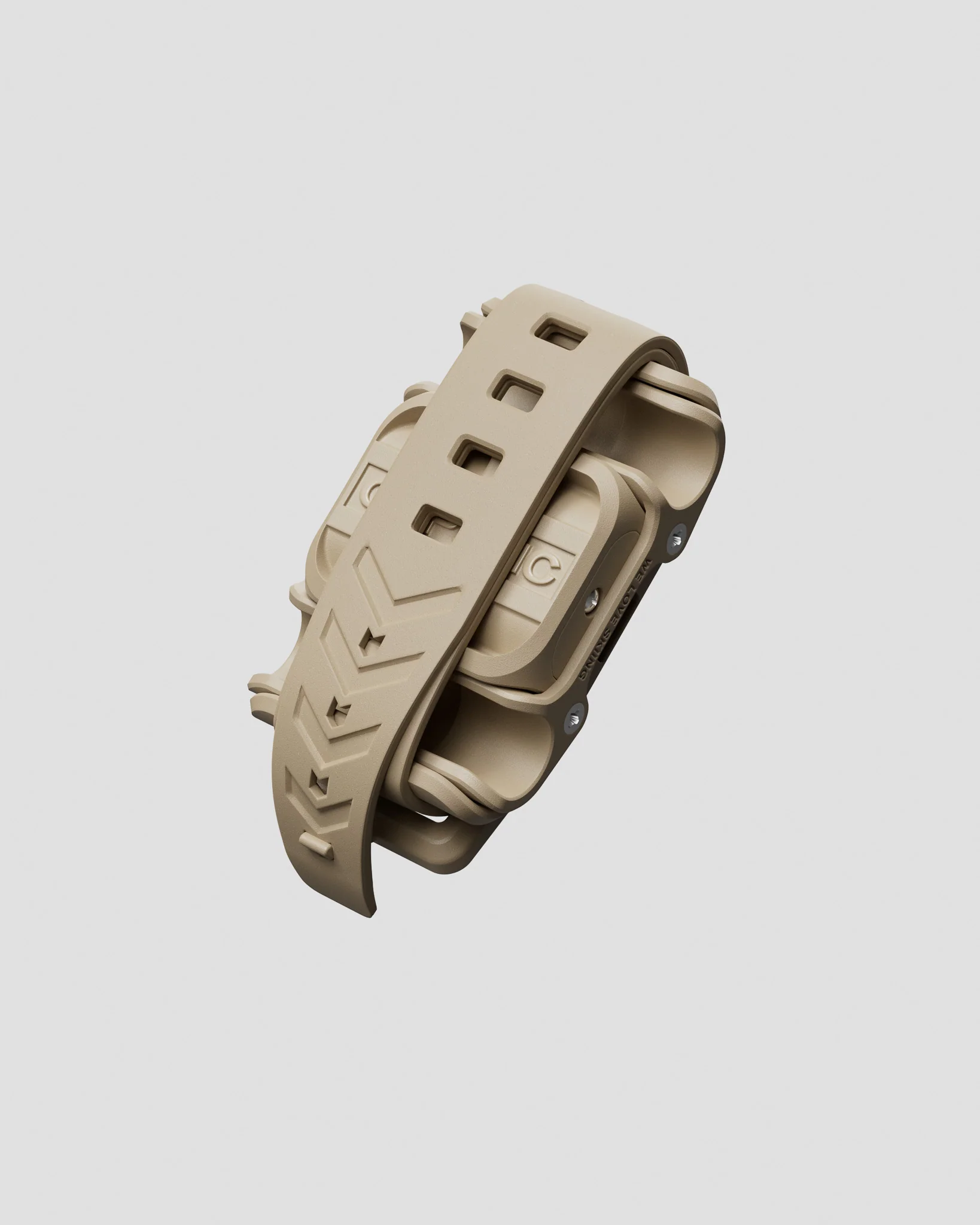
Missing a hand while carrying ski gear?
A friend of mine created Clipstic, the easy way to attach your poles to your skis! Using this link you get 10% off as well as support for Pick-a-ski!
Check it out!Not sure the Solis is your ski?
Answer a few quick questions and the ski selector matches you with the right skis from 800+ models — free, no sign-up.